http://4.bp.blogspot.com/_14vrv7ni7HM/TLYyK0PS85I/AAAAAAAABU8/h4xBT0R8kQU/s1600/20101013225550_D0064009.jpg

segunda-feira, 30 de agosto de 2010

Letter of Pope Benedict XVI to the Bishops of the World to Present the "Motu Proprio" on the Use of the Roman Liturgy prior to the Reforms of 1970. Apostolic Letter "Summorum Pontificum" issued Motu Proprio Benedict XVI

http://amcatholic.files.wordpress.com/2010/07/fssp-1.jpg
http://www.traditioninaction.org/HotTopics/HTimages_a/A033_08_TridentineMass.jpghttps://blogger.googleusercontent.com/img/b/R29vZ2xl/AVvXsEjCmveJeY0YTzClKg57CbeescIBtY4Bq7AgEPSiMqGARerzsUA2Hi1X8M4_ddtTD7NW6jZ2c4lvDY7YTX2qzTSmFsJFiMluoAOQe94Ih-g-YCwXEPFM1wEbEZEgzLLo5sSUm2uivPTZU7Q/s400/Tridentine+Mass+037+-+consecration+of+Old+St.+Patrick%27s+Oratory+in+Kansas+City,+Mo..jpghttp://johnseiler.com/page2.2.jpg
http://tomorrowstrust.ca/wp-content/uploads/2007/08/front-cover.jpg


Offertory Prepared for E F 
Mass

mass1web
269319294_699e4f58fb_o
http://www.boston-catholic-journal.com/images/the-real-mass.jpg
https://blogger.googleusercontent.com/img/b/R29vZ2xl/AVvXsEjnGYp9i1uyQNMFUi_hWn4OOpLS6BzkTN4jTxdWSFhKMUV37pPodRp-jQVExue1kdg_DQbGjstdx9r6ASkVcdanAzk3r83DT94V61oq2mcBdNu2vLEauYRqDRq1ZZlE39NmM67Y7pno6jQ/s320/Tridentine+Mass.jpg

http://www.holyrosaryindy.org/files/galleries/latin-mass-2007/images/Mass%2016.jpg


Extraordinary Form Mass - Tridentine Mass

 
http://farm1.static.flickr.com/135/372027141_8473524c8f.jpg


My dear Brother Bishops,

With great trust and hope, I am consigning to you as Pastors the text of a new Apostolic Letter "Motu Proprio data" on the use of the Roman liturgy prior to the reform of 1970. The document is the fruit of much reflection, numerous consultations and prayer.

News reports and judgments made without sufficient information have created no little confusion. There have been very divergent reactions ranging from joyful acceptance to harsh opposition, about a plan whose contents were in reality unknown.

This document was most directly opposed on account of two fears, which I would like to address somewhat more closely in this letter.

In the first place, there is the fear that the document detracts from the authority of the Second Vatican Council, one of whose essential decisions – the liturgical reform – is being called into question. This fear is unfounded. In this regard, it must first be said that the Missal published by Paul VI and then republished in two subsequent editions by John Paul II, obviously is and continues to be the normal Form – the Forma ordinaria – of the Eucharistic Liturgy. The last version of the Missale Romanum prior to the Council, which was published with the authority of Pope John XXIII in 1962 and used during the Council, will now be able to be used as a Forma extraordinaria of the liturgical celebration. It is not appropriate to speak of these two versions of the Roman Missal as if they were "two Rites". Rather, it is a matter of a twofold use of one and the same rite.


As for the use of the 1962 Missal as a Forma extraordinaria of the liturgy of the Mass, I would like to draw attention to the fact that this Missal was never juridically abrogated and, consequently, in principle, was always permitted. At the time of the introduction of the new Missal, it did not seem necessary to issue specific norms for the possible use of the earlier Missal. Probably it was thought that it would be a matter of a few individual cases which would be resolved, case by case, on the local level. Afterwards, however, it soon became apparent that a good number of people remained strongly attached to this usage of the Roman Rite, which had been familiar to them from childhood. This was especially the case in countries where the liturgical movement had provided many people with a notable liturgical formation and a deep, personal familiarity with the earlier Form of the liturgical celebration. We all know that, in the movement led by Archbishop Lefebvre, fidelity to the old Missal became an external mark of identity; the reasons for the break which arose over this, however, were at a deeper level. Many people who clearly accepted the binding character of the Second Vatican Council, and were faithful to the Pope and the Bishops, nonetheless also desired to recover the form of the sacred liturgy that was dear to them. This occurred above all because in many places celebrations were not faithful to the prescriptions of the new Missal, but the latter actually was understood as authorizing or even requiring creativity, which frequently led to deformations of the liturgy which were hard to bear. I am speaking from experience, since I too lived through that period with all its hopes and its confusion. And I have seen how arbitrary deformations of the liturgy caused deep pain to individuals totally rooted in the faith of the Church.

Pope John Paul II thus felt obliged to provide, in his Motu Proprio Ecclesia Dei (2 July 1988), guidelines for the use of the 1962 Missal; that document, however, did not contain detailed prescriptions but appealed in a general way to the generous response of Bishops towards the "legitimate aspirations" of those members of the faithful who requested this usage of the Roman Rite. At the time, the Pope primarily wanted to assist the Society of Saint Pius X to recover full unity with the Successor of Peter, and sought to heal a wound experienced ever more painfully. Unfortunately this reconciliation has not yet come about. Nonetheless, a number of communities have gratefully made use of the possibilities provided by the Motu Proprio. On the other hand, difficulties remain concerning the use of the 1962 Missal outside of these groups, because of the lack of precise juridical norms, particularly because Bishops, in such cases, frequently feared that the authority of the Council would be called into question. Immediately after the Second Vatican Council it was presumed that requests for the use of the 1962 Missal would be limited to the older generation which had grown up with it, but in the meantime it has clearly been demonstrated that young persons too have discovered this liturgical form, felt its attraction and found in it a form of encounter with the Mystery of the Most Holy Eucharist, particularly suited to them. Thus the need has arisen for a clearer juridical regulation which had not been foreseen at the time of the 1988 Motu Proprio. The present Norms are also meant to free Bishops from constantly having to evaluate anew how they are to respond to various situations.

In the second place, the fear was expressed in discussions about the awaited Motu Proprio, that the possibility of a wider use of the 1962 Missal would lead to disarray or even divisions within parish communities. This fear also strikes me as quite unfounded. The use of the old Missal presupposes a certain degree of liturgical formation and some knowledge of the Latin language; neither of these is found very often. Already from these concrete presuppositions, it is clearly seen that the new Missal will certainly remain the ordinary Form of the Roman Rite, not only on account of the juridical norms, but also because of the actual situation of the communities of the faithful.

It is true that there have been exaggerations and at times social aspects unduly linked to the attitude of the faithful attached to the ancient Latin liturgical tradition. Your charity and pastoral prudence will be an incentive and guide for improving these. For that matter, the two Forms of the usage of the Roman Rite can be mutually enriching: new Saints and some of the new Prefaces can and should be inserted in the old Missal. The "Ecclesia Dei" Commission, in contact with various bodies devoted to the usus antiquior, will study the practical possibilities in this regard. The celebration of the Mass according to the Missal of Paul VI will be able to demonstrate, more powerfully than has been the case hitherto, the sacrality which attracts many people to the former usage. The most sure guarantee that the Missal of Paul VI can unite parish communities and be loved by them consists in its being celebrated with great reverence in harmony with the liturgical directives. This will bring out the spiritual richness and the theological depth of this Missal.

I now come to the positive reason which motivated my decision to issue this Motu Proprio updating that of 1988. It is a matter of coming to an interior reconciliation in the heart of the Church. Looking back over the past, to the divisions which in the course of the centuries have rent the Body of Christ, one continually has the impression that, at critical moments when divisions were coming about, not enough was done by the Church’s leaders to maintain or regain reconciliation and unity. One has the impression that omissions on the part of the Church have had their share of blame for the fact that these divisions were able to harden. This glance at the past imposes an obligation on us today: to make every effort to unable for all those who truly desire unity to remain in that unity or to attain it anew. I think of a sentence in the Second Letter to the Corinthians, where Paul writes: "Our mouth is open to you, Corinthians; our heart is wide. You are not restricted by us, but you are restricted in your own affections. In return … widen your hearts also!" (2 Cor 6:11-13). Paul was certainly speaking in another context, but his exhortation can and must touch us too, precisely on this subject. Let us generously open our hearts and make room for everything that the faith itself allows.

There is no contradiction between the two editions of the Roman Missal. In the history of the liturgy there is growth and progress, but no rupture. What earlier generations held as sacred, remains sacred and great for us too, and it cannot be all of a sudden entirely forbidden or even considered harmful. It behooves all of us to preserve the riches which have developed in the Church’s faith and prayer, and to give them their proper place. Needless to say, in order to experience full communion, the priests of the communities adhering to the former usage cannot, as a matter of principle, exclude celebrating according to the new books. The total exclusion of the new rite would not in fact be consistent with the recognition of its value and holiness.

In conclusion, dear Brothers, I very much wish to stress that these new norms do not in any way lessen your own authority and responsibility, either for the liturgy or for the pastoral care of your faithful. Each Bishop, in fact, is the moderator of the liturgy in his own Diocese (cf. Sacrosanctum Concilium, 22: "Sacrae Liturgiae moderatio ab Ecclesiae auctoritate unice pendet quae quidem est apud Apostolicam Sedem et, ad normam iuris, apud Episcopum").

Nothing is taken away, then, from the authority of the Bishop, whose role remains that of being watchful that all is done in peace and serenity. Should some problem arise which the parish priest cannot resolve, the local Ordinary will always be able to intervene, in full harmony, however, with all that has been laid down by the new norms of the Motu Proprio.


Furthermore, I invite you, dear Brothers, to send to the Holy See an account of your experiences, three years after this Motu Proprio has taken effect. If truly serious difficulties come to light, ways to remedy them can be sought.

Dear Brothers, with gratitude and trust, I entrust to your hearts as Pastors these pages and the norms of the Motu Proprio. Let us always be mindful of the words of the Apostle Paul addressed to the presbyters of Ephesus: "Take heed to yourselves and to all the flock, in which the Holy Spirit has made you overseers, to care for the Church of God which he obtained with the blood of his own Son" (Acts 20:28).

I entrust these norms to the powerful intercession of Mary, Mother of the Church, and I cordially impart my Apostolic Blessing to you, dear Brothers, to the parish priests of your dioceses, and to all the priests, your co-workers, as well as to all your faithful.

Given at Saint Peter’s, 7 July 2007

Apostolic Letter "Summorum Pontificum" issued Motu Proprio
Benedict XVI

On Saturday 7 July 2007 Pope Benedict XVI issued an Apostolic Letter on the celebration of the Roman Rite according to the Missal of 1962. The following text is the unofficial Vatican Information Service translation of the official Latin text.

Up to our own times, it has been the constant concern of supreme pontiffs to ensure that the Church of Christ offers a worthy ritual to the Divine Majesty, 'to the praise and glory of His name,' and 'to the benefit of all His Holy Church.'
Since time immemorial it has been necessary - as it is also for the future - to maintain the principle according to which 'each particular Church must concur with the universal Church, not only as regards the doctrine of the faith and the sacramental signs, but also as regards the usages universally accepted by uninterrupted apostolic tradition, which must be observed not only to avoid errors but also to transmit the integrity of the faith, because the Church's law of prayer corresponds to her law of faith.' (1)
Among the pontiffs who showed that requisite concern, particularly outstanding is the name of St. Gregory the Great, who made every effort to ensure that the new peoples of Europe received both the Catholic faith and the treasures of worship and culture that had been accumulated by the Romans in preceding centuries. He commanded that the form of the sacred liturgy as celebrated in Rome (concerning both the Sacrifice of Mass and the Divine Office) be conserved. He took great concern to ensure the dissemination of monks and nuns who, following the Rule of St. Benedict, together with the announcement of the Gospel illustrated with their lives the wise provision of their Rule that 'nothing should be placed before the work of God.' In this way the sacred liturgy, celebrated according to the Roman use, enriched not only the faith and piety but also the culture of many peoples. It is known, in fact, that the Latin liturgy of the Church in its various forms, in each century of the Christian era, has been a spur to the spiritual life of many saints, has reinforced many peoples in the virtue of religion and fecundated their piety.
Many other Roman pontiffs, in the course of the centuries, showed particular solicitude in ensuring that the sacred liturgy accomplished this task more effectively. Outstanding among them is St. Pius V who, sustained by great pastoral zeal and following the exhortations of the Council of Trent, renewed the entire liturgy of the Church, oversaw the publication of liturgical books amended and 'renewed in accordance with the norms of the Fathers,' and provided them for the use of the Latin Church.
One of the liturgical books of the Roman rite is the Roman Missal, which developed in the city of Rome and, with the passing of the centuries, little by little took forms very similar to that it has had in recent times.
"It was towards this same goal that succeeding Roman Pontiffs directed their energies during the subsequent centuries in order to ensure that the rites and liturgical books were brought up to date and when necessary clarified. From the beginning of this century they undertook a more general reform.' (2) Thus our predecessors Clement VIII, Urban VIII, St. Pius X (3), Benedict XV, Pius XII and Blessed John XXIII all played a part.
In more recent times, Vatican Council II expressed a desire that the respectful reverence due to divine worship should be renewed and adapted to the needs of our time. Moved by this desire our predecessor, the Supreme Pontiff Paul VI, approved, in 1970, reformed and partly renewed liturgical books for the Latin Church. These, translated into the various languages of the world, were willingly accepted by bishops, priests and faithful. John Paul II amended the third typical edition of the Roman Missal. Thus Roman pontiffs have operated to ensure that 'this kind of liturgical edifice ... should again appear resplendent for its dignity and harmony.' (4)
But in some regions, no small numbers of faithful adhered and continue to adhere with great love and affection to the earlier liturgical forms. These had so deeply marked their culture and their spirit that in 1984 the Supreme Pontiff John Paul II, moved by a concern for the pastoral care of these faithful, with the special indult 'Quattuor abhinc anno," issued by the Congregation for Divine Worship, granted permission to use the Roman Missal published by Blessed John XXIII in the year 1962. Later, in the year 1988, John Paul II with the Apostolic Letter given as Motu Proprio, 'Ecclesia Dei,' exhorted bishops to make generous use of this power in favor of all the faithful who so desired.
Following the insistent prayers of these faithful, long deliberated upon by our predecessor John Paul II, and after having listened to the views of the Cardinal Fathers of the Consistory of 22 March 2006, having reflected deeply upon all aspects of the question, invoked the Holy Spirit and trusting in the help of God, with these Apostolic Letters we establish the following:

Art 1. The Roman Missal promulgated by Paul VI is the ordinary expression of the 'Lex orandi' (Law of prayer) of the Catholic Church of the Latin rite. Nonetheless, the Roman Missal promulgated by St. Pius V and reissued by Bl. John XXIII is to be considered as an extraordinary expression of that same 'Lex orandi,' and must be given due honour for its venerable and ancient usage. These two expressions of the Church's Lex orandi will in no any way lead to a division in the Church's 'Lex credendi' (Law of belief). They are, in fact two usages of the one Roman rite.

It is, therefore, permissible to celebrate the Sacrifice of the Mass following the typical edition of the Roman Missal promulgated by Bl. John XXIII in 1962 and never abrogated, as an extraordinary form of the Liturgy of the Church. The conditions for the use of this Missal as laid down by earlier documents 'Quattuor abhinc annis' and 'Ecclesia Dei,' are substituted as follows:

Art. 2. In Masses celebrated without the people, each Catholic priest of the Latin rite, whether secular or regular, may use the Roman Missal published by Bl. Pope John XXIII in 1962, or the Roman Missal promulgated by Pope Paul VI in 1970, and may do so on any day with the exception of the Easter Triduum. For such celebrations, with either one Missal or the other, the priest has no need for permission from the Apostolic See or from his Ordinary.

Art. 3. Communities of Institutes of consecrated life and of Societies of apostolic life, of either pontifical or diocesan right, wishing to celebrate Mass in accordance with the edition of the Roman Missal promulgated in 1962, for conventual or "community" celebration in their oratories, may do so. If an individual community or an entire Institute or Society wishes to undertake such celebrations often, habitually or permanently, the decision must be taken by the Superiors Major, in accordance with the law and following their own specific decrees and statues.

Art. 4. Celebrations of Mass as mentioned above in art. 2 may - observing all the norms of law - also be attended by faithful who, of their own free will, ask to be admitted.

Art. 5. § 1 In parishes, where there is a stable group of faithful who adhere to the earlier liturgical tradition, the pastor should willingly accept their requests to celebrate the Mass according to the rite of the Roman Missal published in 1962, and ensure that the welfare of these faithful harmonises with the ordinary pastoral care of the parish, under the guidance of the bishop in accordance with canon 392, avoiding discord and favouring the unity of the whole Church.
§ 2 Celebration in accordance with the Missal of Bl. John XXIII may take place on working days; while on Sundays and feast days one such celebration may also be held.
§ 3 For faithful and priests who request it, the pastor should also allow celebrations in this extraordinary form for special circumstances such as marriages, funerals or occasional celebrations, e.g. pilgrimages.
§ 4 Priests who use the Missal of Bl. John XXIII must be qualified to do so and not juridically impeded.
§ 5 In churches that are not parish or conventual churches, it is the duty of the Rector of the church to grant the above permission.

Art. 6. In Masses celebrated in the presence of the people in accordance with the Missal of Bl. John XXIII, the readings may be given in the vernacular, using editions recognised by the Apostolic See.

Art. 7. If a group of lay faithful, as mentioned in art. 5 õ 1, has not obtained satisfaction to their requests from the pastor, they should inform the diocesan bishop. The bishop is strongly requested to satisfy their wishes. If he cannot arrange for such celebration to take place, the matter should be referred to the Pontifical Commission "Ecclesia Dei".

Art. 8. A bishop who, desirous of satisfying such requests, but who for various reasons is unable to do so, may refer the problem to the Commission "Ecclesia Dei" to obtain counsel and assistance.

Art. 9. § 1 The pastor, having attentively examined all aspects, may also grant permission to use the earlier ritual for the administration of the Sacraments of Baptism, Marriage, Penance, and the Anointing of the Sick, if the good of souls would seem to require it.
§ 2 Ordinaries are given the right to celebrate the Sacrament of Confirmation using the earlier Roman Pontifical, if the good of souls would seem to require it.
§ 3 Clerics ordained "in sacris constitutis" may use the Roman Breviary promulgated by Bl. John XXIII in 1962.

Art. 10. The ordinary of a particular place, if he feels it appropriate, may erect a personal parish in accordance with can. 518 for celebrations following the ancient form of the Roman rite, or appoint a chaplain, while observing all the norms of law.

Art. 11. The Pontifical Commission "Ecclesia Dei", erected by John Paul II in 1988 (5), continues to exercise its function. Said Commission will have the form, duties and norms that the Roman Pontiff wishes to assign it.

Art. 12. This Commission, apart from the powers it enjoys, will exercise the authority of the Holy See, supervising the observance and application of these dispositions.

We order that everything We have established with these Apostolic Letters issued as Motu Proprio be considered as "established and decreed", and to be observed from 14 September of this year, Feast of the Exaltation of the Cross, whatever there may be to the contrary.

From Rome, at St. Peter's, 7 July 2007, third year of Our Pontificate.
Pope Benedict XVI

(1) General Instruction of the Roman Missal, 3rd ed., 2002, no. 397.    [back to text]
(2) John Paul II, Apostolic Letter "Vicesimus quintus annus," 4 December 1988, 3: AAS 81 (1989), 899.    [back to text]

(3) Ibid.    [back to text]
(4) St. Pius X, Apostolic Letter Motu propio data, "Abhinc duos annos," 23 October 1913: AAS 5 (1913), 449-450; cf John Paul II, Apostolic Letter "Vicesimus quintus annus," no. 3: AAS 81 (1989), 899.    [back to text]
(5) Cf John Paul II, Apostolic Letter Motu proprio data "Ecclesia Dei," 2 July 1988, 6: AAS 80 (1988), 1498.    [back to text]

Edward Cardinal Egan Archbishop of New York : our present Holy Father, Pope Benedict XVI, was convinced that something further needed to be done; and this is the origin of the document that he issued regarding the liturgical prayer of the Church this past July 7th. In briefest terms, here is what the document, which is entitled in Latin "Summorum Pontificum," provides: I. There is one Eucharistic liturgy for members of the Roman Catholic Church of the Latin Rite. It has two forms ("expressions") -- an "ordinary" one that is to be found in the Missal of Pope Paul VI published in 1970, and an "extraordinary" one that is to found in the Missal of Blessed John XXIII published in 1962.

Offertory Prepared for E F Mass
"What earlier generations held as sacred, remains sacred and great for us too,
 and it cannot be all of a sudden entirely forbidden or even considered harmful.
It behooves all of us to preserve the riches which have developed in the
Church's faith and prayer, and to give them their proper place."
-Pope Benedict XVI, Letter to Bishops, 7 July 2007
 
History

On December 4, 1963, the bishops who participated in the Second Vatican Council in union with Pope Paul VI issued a document entitled "The Constitution on the Sacred Liturgy." In it, they called for a revision of the prayers of the Mass which would, of course,
"preserve their substance" but also make adjustments in them so as to increase the participation and devotion of the faithful.

In addition, in the same "Constitution," the bishops with the Holy Father noted that "the use of the mother tongue (the vernacular of a particular area), whether in the Mass, the administration of the sacraments, or other parts of the liturgy, may frequently be of great advantage to the people" and, accordingly, proposed a translation of the Latin texts of the liturgy into the vernaculars of the world and their appropriate use under the direction of ecclesiastical authorities.

All of this was done for no other reason than better to assist the members of the Mystical Body of Jesus Christ in their prayer.
Unfortunately, however, some felt that what the bishops and the Holy Father had decided was either mistaken theologically, disdainful of ancient uses or uncaring as regards the sentiments of those who had been reared in the established liturgy and both revered and loved it. Indeed, a community of clergy, religious and laity under the leadership of a French Archbishop who had been a missionary in Africa rejected the liturgy that was developed after the Council and separated itself from the Church because of it and other Conciliar teachings and directives.

Thus it was that in 1984 the Congregation for Divine Worship published a document with the Latin title, "Quattuor Abhinc Annos," making the traditional liturgy more available and Pope John Paul II in 1988 published another with the Latin title, "Ecclesia Dei," making it even more available. It was hoped that these measures would put an end to the various feelings of discontent and especially to the aforementioned separation, and
to some extent they were successful.   Still, our present Holy Father, Pope Benedict XVI, was convinced that something further needed to be done; and this is the origin of the document that he issued regarding the liturgical prayer of the Church this past July 7th.

In briefest terms, here is what the document, which is entitled in Latin "Summorum Pontificum," provides:

     I. There is one Eucharistic liturgy for members of the Roman Catholic Church of the Latin Rite. It has two forms ("expressions") -- an "ordinary" one that is to be found in the Missal of Pope Paul VI published in 1970, and an "extraordinary" one that is to found in the Missal of Blessed John XXIII published in 1962.

      II. The "ordinary" form (usually identified as the Missal of Pope Paul VI) is the one to be used regularly.

      III. The "extraordinary" form (usually identified as the Missal of Blessed John XXIII) may, however, be used --

      A. in Masses where the priest does not have a congregation, except on Holy Thursday, Good Friday and Holy Saturday,

      B. in Masses of religious communities in their chapels and oratories and

      C. in parishes where a group of the faithful requests it,
but only once on a Sunday or feast day.

There are, though, three more provisions in the new norms which are of interest mostly to the clergy. All the same, it might be well to at least mention them here.

      I.
Pastors are to agree "willingly" to the "extraordinary" form in their parishes. If, however, there is a problem in this regard, the matter should be referred to the local bishop; and if there is a further problem, to the Holy See.

      II. Pre-Vatican II rites may be used for Baptism, Confirmation, Penance, Matrimony and the Anointing of the Sick, "as the good of souls suggests."

      III. When Mass is celebrated in the "extraordinary" form,
the Readings may be in the vernacular.

And to all of this our Holy Father, in a letter to the bishops of the world, added three further points.

     I. The changes in the liturgy do not in any sense detract from the authority of the Second Vatican Council.

     II. Priests who choose to celebrate Mass in the "extraordinary" form must have a
sufficient knowledge of the Latin language to pronounce the words correctly. 

     III. The changes in the liturgy must not be the occasion of divisions in the Church. They are rather to strengthen the unity of that community of believers for whom the Lord prayed on the night before he died that "they may be one as You, Father, in Me and I in You" (John 17:21).
There is room within it for all expressions of what is Catholic, noble and holy; and for this each of us, whatever our tastes and inclinations, should be grateful to the Lord."

Edward Cardinal Egan
Archbishop of New York         

 
Extraordinary Form Mass - Tridentine Mass
 

When Can A Priest Say The Traditional Latin Mass? 1. A priest does NOT have to be approached by a “stable group” of the faithful in order to schedule a PUBLIC celebration of the Extraordinary Form – he may choose to do so, for example, in order to introduce his parishioners to this ancient form of the Roman Rite. Or because it’s his aunt’s birthday. Any reason, really. 2. A Mass in the Extraordinary Form may replace a regularly scheduled Mass in the Ordinary Form.

(Telegraph) - Good news from Rome: the Vatican has further underlined the freedom of priests to celebrate Mass in the Extraordinary Form whenever they choose. Two important points have been clarified by Ecclesia Dei, which will make it more difficult for the English, Welsh and above all Scottish bishops to stall the implementation of Summorum Pontificum:

1. A priest does NOT have to be approached by a “stable group” of the faithful in order to schedule a PUBLIC celebration of the Extraordinary Form – he may choose to do so, for example, in order to introduce his parishioners to this ancient form of the Roman Rite. Or because it’s his aunt’s birthday. Any reason, really.

2. A Mass in the Extraordinary Form may replace a regularly scheduled Mass in the Ordinary Form.

You can find more details of the Ecclesia Dei ruling here, on the excellent New Liturgical Movement blog....

read full story here
THE CATHOLIC KNIGHT: Rome has spoken again. While rebel priests and bishops from all over the western world seek new ways to twist canon law and thwart the pope's will, the Vatican has now ruled the following. Any Roman Rite Catholic priest may celebrate the Traditional Latin Mass (Tridentine mass, Extraordinary Form or Usus Antiquior) or "Ancient Use" at any time, whenever he wants, for any reason, or no particular reason at all. It can be done privately (with or without guests), or publicly, and it may replace any ordinary mass at any time. The one and only requirement is that the priest be competent to celebrate it, and there are many means through which a priest may attain competency, either through training videos or short workshops.

Pope Benedict XVI has effectively given the Usus Antiquior ("Ancient Use") just as much freedom in the modern Church as the ordinary modern mass. This freedom will prove essential to younger priests, just coming out of the seminaries, who tend to be more traditional in their liturgical practices, and will immediately be confronted by retro-1970s priests serving as rectors, chancellors and bishops. The retro-1970s clergy tend to express an open hostility toward the Usus Antiquior and/or anything having to do with traditional liturgical practices. For years now, young priests have found themselves immediately immersed in a culture of intimidation if they should display any traditional tendencies in diocesan parishes. "When you're fresh out of the seminary, and trying to please your superiors, there is tremendous pressure to just go along with the flow and maintain the status quo" said one newly ordained priest to 'The Catholic Knight' under condition of anonymity.

That "pressure" may still be there, but the "power" of these retro-1970s throwbacks to do any harm has now been significantly diminished. Young priests, fresh out of the seminaries, can now offer the Usus Antiquior whenever they want, and while they may incur the frowns and glares of their superiors, there is nothing they can lawfully do to stop them anymore. This most recent act by the Vatican signifies that the retro-1970s post-conciliar neopriests are now finally being put out to pasture. 
 
fonte:http://catholicknight.blogspot.com/2010/02/when-can-priest-say-traditional-latin.html

The Novus Ordo Mass Broke the Identity of the Church : "If every licit combination of four canons, back and front, silent and audible, sung and said, Latin and vernacular in part or whole, High, concelebrated and Low, with and without lay participation in varying degrees, and so on, if all these were taken into account, there would be some 250 rites which, multiplied by an odd thousand languages and dialects, would give a quarter of a million licit forms of Mass... The fact is that Christian prayer is a supernatural act directed by the supernatural gift of faith. It is not a process of natural reasoning. By reducing the supreme prayer of the Mass to the human activity of intellectual understanding, there is a grave danger of teaching the faithful how not to pray"


Tridentine


The Catholic Church teaches that "the Last Supper was a true sacrifice" (1). The prophecy of Malachi confirms this because, as stated by the Dictionary of Dogmatic Theology:
"It predicts a sacrifice whose characteristics of holiness and universality are verified only in the Mass, and by Tradition which, by its liturgical praxis and open testimonies of the Fathers, assures us of the will of Christ to institute a real and proper sacrifice to endure to the end of the world (I Cor. 11: 26) (2).
A051_Mass_traditionalist.jpg - 45678 Bytes

Quo Primum established unity in liturgy with the Tridentine Mass, above.

The Novus Ordo opened the door to endless diversity and abuses.
Below, first row left, a Salesian Mass in the US; right, an outdoor Jesuit Mass in Wales. Second row left, Offertory in the Ivory Coast; right, a university Mass at Exeter, England

A051_SalesianMass.jpg - 36443 Bytes  A051_JesuitMassWales.jpg - 28229 Bytes

A051_IvoryCoastOffertory.jpg - 44831 Bytes  A051_ChaplaincyExeter.jpg - 29928 Bytes
With the Bull Quo primum, Pope St. Pius V used his authority, both legislative and magisterial, to codify the Tridentine Mass "to endure to the end of the world." His enactment took place because this codification of the Mass was perfect, and also because he saw that it was the only answer for Catholic "unity and purity of faith, worship, doctrine and morals"(3), after the revolts of Luther and Henry VIII. Note well the above words that the "characteristics of holiness and universality of the sacrifice are verified only in the Mass, and by Tradition."

In his “reform” of the Mass, Archbishop Annibale Bugnini attempted against the Tridentine Mass as being the "only" legitimate form of Mass in the Latin Rite. He had the chance to knock out both "the Mass," and "Tradition." A great victory for those enemies whom St. Pius V wanted to avoid! Behold Bugnini's words that the Novus Ordo is "a major conquest of the Catholic Church" (4).

It is hard to resist the hypothesis that Paul VI sought to un-codify the Mass because in its absence, without its "sacrifice," and without "Tradition," Satan's smoke could come in through the windows.

St. Vincent de Paul, who lived in the times of the enforcement of the Quo primum, observed how in France the unification of the ceremonies was necessary. Actually, in his work Conversations, he testified "to the ugliness and diversity of Mass ceremonies, and to once having seen eight priests saying Mass in eight different ways." (5) Bugnini's liturgical phantasmagoria can be performed in countless ways as a "licit" liturgy, not to mention the illicit ones.

On the countless forms of Masses allowed by the Litugical Reform of Paul VI, Fr. Bryan Hougton correctly observes:
"If every licit combination of four canons, back and front, silent and audible, sung and said, Latin and vernacular in part or whole, High, concelebrated and Low, with and without lay participation in varying degrees, and so on, if all these were taken into account, there would be some 250 rites which, multiplied by an odd thousand languages and dialects, would give a quarter of a million licit forms of Mass... The fact is that Christian prayer is a supernatural act directed by the supernatural gift of faith. It is not a process of natural reasoning. By reducing the supreme prayer of the Mass to the human activity of intellectual understanding, there is a grave danger of teaching the faithful how not to pray"(6).
I think that the proposition that the Novus Ordo is evil can be demonstrated. Let me do it deductively and inductively.

The deductive syllogism applies Aristotle’s law of identity (7). It follows:
The Tridentine Mass causes unity.
The Novus Ordo Mass causes excessive diversity.
Now then, unity is a mark of the identity of the Church.
Therefore, the Tridentine Mass is according to the identity of the Church, while the Novus Ordo is destructive of her identity.
Turning to an inductive argument, one can verify experimentally that the application of the New Mass caused the Church to lose her historical identity and become increasingly similar to heresies that she had combated before.

According to words attributed to Pope Ratzinger regarding the Third Secret of Fatima, it "warns there will be an evil council," and warns "against making changes in the liturgy"(8). Yet the alleged release of the secret in 2000 mentions nothing about an evil council or changes in the liturgy.

The Tridentine Mass was locked up de facto since 1970. In July 2007 Benedict XVI’s motu proprio released the Tridentine Mass in certain conditions. Yet the evil Novus Ordo remains as the major form of worship in the Conciliar Church. The motu proprio appears to be strategic in nature, because it had the effect of covering up the Pope’s Letter to the Chinese Catholics released on June 30, 2007 (9). Our Lord warned us about "false prophets, who come to you in the clothing of sheep, but inwardly they are ravening wolves" (Matt. 7: 15). Could this refer to the continued silence about the Third Secret, and the plan of the motu proprio that would seem to decontaminate the letter to Chinese Catholics?
1. Parente, Piolanti, Garofalo, Dictionary of Dogmatic Theology, Milwauke: Bruce Publications, 1951, p. 178.
2. Ibid.
3. Robin Anderson, St. Pius V, TAN: Rockford, Illinois, 1978, p. 91.
4. Michael Davies, How the Liturgy Fell Apart — The Enigma of Archbishop Bugnini, apud The Remnant, May 15, 2007, p. 6.
5. Anderson, St. Pius V, p. 92.
6. Bryan Hougton, letter apud The Latin Mass Magazine, Summer 1997, pp. 44-45.
7. See The Laws of Thought and the Heresy of Progressivism, posted on this site August 3, 2007.
8. Paul Kramer, "The Imminent Chastisement for Not Fulfilling Our Lady's Request," The Fatima Crusader, Summer 2005, p. 36.
9. See Benedict Delivers Underground Chinese Catholics by Marian Horvat and The Motu Proprio, after the Emotions, by Atila Guimarae

http://wfonte:ww.traditioninaction.org/HotTopics/a051ht_IdenityofMass_Arnold.htm

domingo, 29 de agosto de 2010

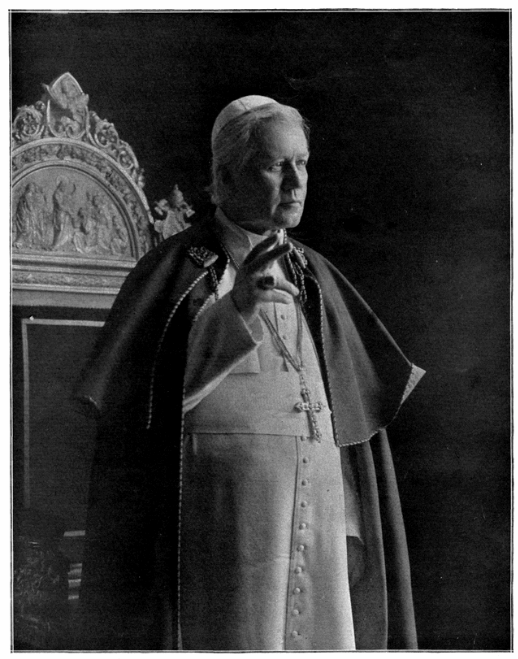
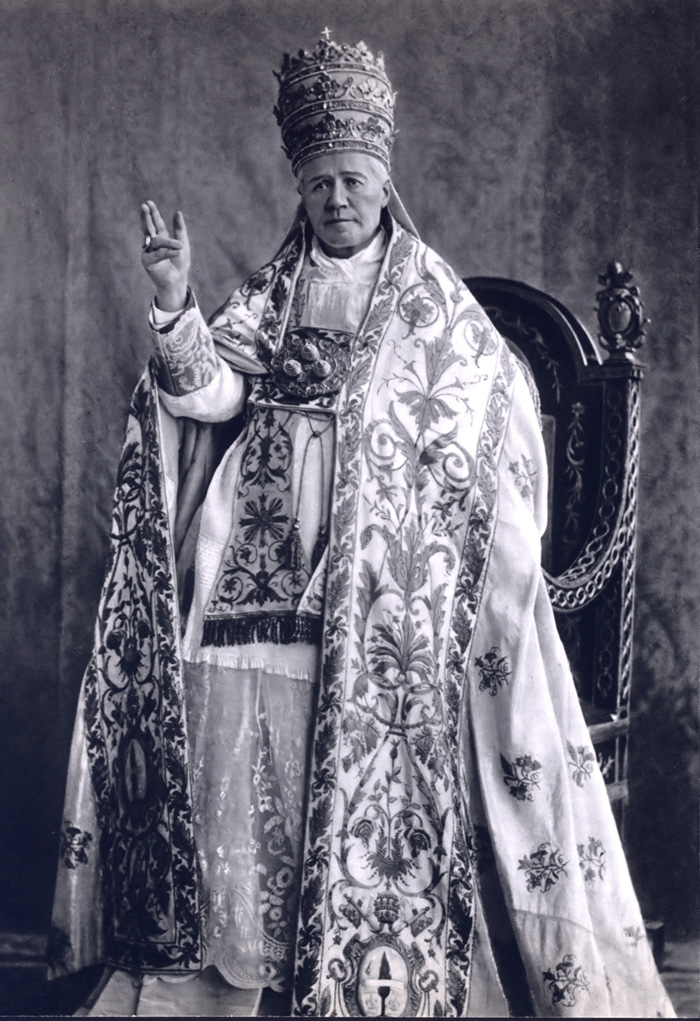
São Pio X , um dos maiores Pontífices de todos os tempos, foi o único Papa canonizado no século XX.

papapiox1.jpg picture by kjk76_95

papst_pius.jpg picture by kjk76_95
sartopope.jpg picture by kking8888
017-1.png picture by kjk76_95
São Pio X
  
Há um século subia ao Trono pontifício um Papa santo. Em 4 de agosto de 1903, o Cardeal Giuseppe Sarto foi eleito para o Sumo Pontificado, como sucessor de São Pedro, sendo coroado a 9 do mesmo mês.   
piox.jpg picture by kjk76_95
pius10s-1.jpg picture by kjk76_95

Magníficas obras pela restauração da Cristandade
O Cardeal Sarto deixa Veneza rumo ao Conclave, onde será eleito Papa
O glorioso, árduo e fecundo pontificado desse Vigário de Cristo durou 11 anos. Nesse período, foram lançados mais de 3.000 documentos oficiais, com o objetivo de Instaurare omnia in Christo — conforme seu lema. E tem estreita analogia com esta sua afirmação: “Se alguém pedir uma palavra de ordem, sempre daremos esta e não outra: Restaurar todas as coisas em Cristo”.(3)
Nesse sentido de restaurar todas as coisas em Cristo, foram numerosas e admiráveis as obras empreendidas pelo Santo Pontífice para defender a Civilização Cristã gravemente ameaçada.
Em seu esplêndido livro de memórias, o Cardeal Merry del Val, Secretário de Estado de São Pio X, enumera de passagem algumas dessas obras:
“A reforma da Cúria Romana; a fundação do Instituto Bíblico; a construção de seminários centrais e a promulgação de leis para a melhor disciplina do clero; a nova disciplina referente à primeira comunhão e à comunhão freqüente; o restabelecimento da música sacra; a vigorosa resistência movida contra os fatais erros do chamado modernismo e a corajosa defesa da liberdade da Igreja na França, Alemanha, Portugal, Rússia e outros países, sem aludir a outros atos de governo, justificam certamente que Pio X tenha sido destacado como um grande Pontífice e um diretor humano excepcional. Posso testemunhar que todo esse enorme trabalho foi devido principalmente e — muitas vezes — exclusivamente à sua própria idéia e iniciativa. A História haverá de proclamá-lo como algo mais que um Papa cuja bondade ninguém seria capaz de discutir.
Os limites que me impus ao traçar estas breves Memórias me impedem de entrar a fundo no estudo das diversas e importantes questões a que mais acima me referi; mas há uma delas cuja importância creio merecer especial atenção neste curto relato, e esta é a compilação do novo Código de Direito Canônico”.(4)
PIUS10.jpg picture by kjk76_95
piox.jpg picture by kjk76_95 
O Cardeal, fidelíssimo Secretário de Estado de São Pio X, passa a narrar o intenso trabalho do Santo Padre para reorganizar e aprimorar o novo Código, uma vez que o anterior era um emaranhando confuso, uma legislação que se prestava a diversas interpretações. Foram 11 anos de trabalho quase ininterrupto, mas ao cabo dos quais a admirável codificação ficou praticamente pronta nos últimos dias de São Pio X, em 1914. Seu sucessor, Bento XV, rendeu-lhe uma merecida homenagem, promulgando o novo Código elaborado por seu augusto predecessor.
017-1.png picture by kjk76_95
pius10o.jpg picture by kjk76_94
PapstPiusX.jpg picture by kjk76_00
Mantinha um absoluto senhorio de si e dominava os impulsos de seu ardente temperamento. Não vacilava em ceder em assuntos que não considerava essenciais, e até estava disposto a considerar e aceitar a opinião de outros se isso não implicasse em risco para algum princípio; mas não havia nele nenhuma debilidade.
Quando surgia alguma questão na qual se fazia necessário definir e manter os direitos e liberdade da Igreja, quando a pureza e integridade da verdade católica requeriam afirmação e defesa, ou era preciso sustentar a disciplina eclesiástica contra o relaxamento ou influência mundanas, Pio X revelava então toda a força e energia de seu caráter e o intrépido valor de um grande Pontífice consciente da responsabilidade de seu sagrado ministério e dos deveres que julgava ter que cumprir a todo custo.
Era inútil, em tais ocasiões, que alguém tratasse de dobrar sua constância; toda tentativa de intimidá-lo com ameaças, ou de afagá-lo com sedutores pretextos ou recursos meramente sentimentais, estava condenada ao fracasso”.(5)
papst_pius.jpg picture by kjk76_95
sartovenice-1-1.jpg picture by kking8888
 
O neomodernismo de nossos tempos
Como se pôde observar, vem de há muito a tentativa de infiltração no interior da Santa Igreja, por parte de inimigos velados ou declarados, a fim de “modernizar”, adaptar aos novos tempos e adulterar o Magistério tradicional e infalível da Santa Igreja Católica Apostólica Romana.
Peçamos ao ínclito Papa São Pio X o discernimento, a argúcia, a energia e a combatividade que ele teve ao enfrentar destemidamente as raízes dos erros que, em nossos dias, professa o chamado progressismo católico, continuador do modernismo de sua época.
São Pio X condena o modernismo
Os mais perigosos inimigos da Igreja
“Não se afastará, portanto, da verdade quem os tiver como os mais perigosos inimigos da Igreja. Estes, em verdade, como dissemos, não já fora, mas dentro da Igreja, tramam seus perniciosos desígnios; e por isto, é por assim dizer nas próprias veias e entranhas dela que se acha o perigo, tanto mais ruinoso quanto mais intimamente eles a conhecem. Além de que, não sobre as ramagens e os brotos, mas sobre as mesmas raízes, que são a Fé e suas fibras mais vitais, é que meneiam eles o machado. Batida pois esta raiz da imortalidade, continuam a derramar o vírus por toda a árvore, de sorte que coisa alguma poupam da verdade católica, nenhuma verdade há que não intentem contaminar. E ainda vão mais longe; pois, pondo em obra o sem número de seus maléficos ardis, não há quem os vença em manhas e astúcias, porquanto fazem promiscuamente o papel ora de racionalistas, ora de católicos, e isto com tal dissimulação, que arrastam sem dificuldade ao erro qualquer incauto; e sendo ousados como os que mais o são, não há conseqüências de que se amedrontem e que não aceitem com obstinação e sem escrúpulos (nº 3) [...].
Já não se trata aqui do velho erro, que à natureza humana atribuía um quase direito à ordem sobrenatural. Vai-se muito mais longe ainda; chega-se até a afirmar [na doutrina modernista] que a nossa santíssima religião, no homem Jesus Cristo assim como em nós, é fruto inteiramente da natureza. Nada pode vir mais a propósito para dar cabo de toda ordem sobrenatural” (nº 10). (Encíclica de São Pio X sobre as Doutrinas Modernistas, Pascendi Dominici Gregis, de 8-9-1907, Editora Vozes Ltda, Petrópolis, 1948, pp. 4-5; 10-11).  
Notas:
 1 Na contracapa da edição de julho de Catolicismo, vem descrito o papel fundamental representado pelo então Mons. Merry del Val (depois Cardeal) para convencer o Cardeal Sarto a aceitar o resultado da eleição.
2 P. Girolamo Dal-Gal, Pio X il Papa Santo, Libreria Editrice Fiorentina, Firenze, 1940, p. 135.
3 Op. cit., p. 133.
4 Cardeal Rafael Merry del Val, Memorias del Papa Pio X, Sociedad de Educación Atenas, S.A., Madrid, 1946, pp. 103-105.
5 Op. cit., pp. 45-46.
Artigo oferecido pela Revista Catolicismo

Benedicto XVI: La importancia de la humildad


Hoy durante el rezo del Ángelus


CASTEL GANDOLFO, domingo 29 de agosto de 2010 (ZENIT.org).- Ofrecemos a continuación las palabras pronunciadas hoy por el Papa Benedicto XVI hoy durante el rezo del Ángelus, con los peregrinos reunidos en el patio interior del Palacio Apostólico de Castel Gandolfo.
* * * * *
Queridos hermanos y hermanas,
en el Evangelio de este domingo (Lc 14,1.7-14), encontramos a Jesús como comensal en la casa de un jefe de los fariseos. Dándose cuenta de que los invitados elegían los primeros puestos en la mesa, Él contó una parábola, ambientada en un banquete nupcial. “Si te invitan a un banquete de bodas, no te coloques en el primer lugar, porque puede suceder que haya sido invitada otra persona más importante que tú, y cuando llegue el que los invitó a los dos, tenga que decirte: 'Déjale el sitio' ... Al contrario, cuando te inviten, ve a colocarte en el último sitio” (Lc 14,8-10). El Señor no pretende dar una lección sobre etiqueta, ni sobre la jerarquía entre las distintas autoridades. Él insiste más bien en un punto decisivo, que es el de la humildad: “el que ensalza será humillado, y el que se humilla será ensalzado” (Lc 14,11). Esta parábola, en un significado más profundo, hace pensar también en la posición del hombre en relación con Dios. El “último lugar” puede representar de hecho la condición de la humanidad degradada por el pecado, condición por la cual sólo la encarnación del Hijo Unigénito puede ensalzarla. Por esto el propio Cristo “tomó el último lugar en el mundo – la cruz – y precisamente con esta humildad radical nos ha redimido y nos ayuda constantemente” (Enc. Deus caritas est, 35).
Al final de la parábola, Jesús sugiere al jefe de los fariseos que invite a su mesa no a sus amigos o parientes o vecinos ricos, sino a las personas más pobres y marginadas, que no tienen modo de devolvérselo (cfr Lc 14,13-14), para que el don sea gratuito. La verdadera recompensa, de hecho, al final, la dará Dios, “que gobierna el mundo... Nosotros le prestamos nuestro servicio en lo que podamos y hasta que Dios nos dé la fuerza para ello” (Enc. Deus caritas est, 35). Una vez más, por tanto, vemos a Cristo como modelo de humildad y de gratuidad: de Él aprendemos la paciencia en las tentaciones, la mansedumbre en las ofensas, la obediencia a Dios en el dolor, a la espera de que Aquél que nos ha invitado nos diga: “Amigo, sube más arriba” (cfr Lc 14,10); el verdadero bien, de hecho, es estar cerca de Él. San Luis IX, rey de Francia – cuya memoria se celebraba el pasado miércoles – puso en práctica lo que está escrito en el Libro del Eclesiástico: “Cuanto más grande seas, más humilde debes ser, y así obtendrás el favor del Señor" (3,18). Así lo escribía en su “Testamento espiritual al hijo": "Si el Señor te concede prosperidad, debes darle gracias con humildad y vigilar que no sea en detrimento tuyo, por vanagloria o por cualquier otro motivo, porque los dones de Dios no han de ser causa de que le ofendas" (Acta Sanctorum Augusti 5 [1868], 546).
Queridos amigos, hoy recordamos también el martirio de san Juan Bautista, el más grande entre los profetas de Cristo, que supo negarse a sí mismo para dejar espacio al Salvador y que murió por la verdad. Pidámosle a él y a la Virgen María que nos guíen por el camino de la humildad, para poder ser dignos de la recompensa divina.
[Después del Ángelus, dijo]
El próximo 1 de septiembre se celebra en Italia la Jornada por la salvaguarda de la Creación, promovida por la Conferencia Episcopal Italiana. Se trata de una cita ya habitual, importante también en el plano ecuménico. Este año nos recuerda que no puede haber paz sin respeto del medio ambiente. Tenemos, de hecho, el deber de entregar la tierra a las nuevas generaciones en un estado tal que también ellas puedan habitarla dignamente y conservarla ulteriormente. ¡Que el Señor nos ayude en esta tarea!
[En español dijo]
Al saludar cordialmente a los peregrinos de lengua española que participan en esta oración mariana, quisiera recordar con particular afecto a los mineros que se encuentran atrapados en el yacimiento de san José, en la región chilena de Atacama. A ellos y a sus familiares los encomiendo a la intercesión de San Lorenzo, asegurándoles mi cercanía espiritual y mis continuas oraciones, para que mantengan la serenidad en la espera de una feliz conclusión de los trabajos que se están llevando a cabo para su rescate. Y a todos os invito a acoger hoy la Palabra de Cristo, para crecer en fe, humildad y generosidad. Feliz domingo.
[Traducción del italiano por Inma Álvarez
©Libreria Editrice Vaticana]

S. PIO X : Querendo, Veneráveis Irmãos, dar-vos normas gerais em tão grave assunto, se em vossas dioceses circularem livros perniciosos, procurai energicamente proscrevê-los, condenando-os mesmo solenemente, se o julgardes oportuno. Conquanto esta Sede Apostólica procure por todos os meios proscrever tais publicações, tornou-se hoje tão avultado o seu número que não lhe bastariam forças para condená-las todas. Disto resulta às vezes que o remédio já chega tarde, porque a demora já facilitou a infiltração do mal...atendam os Bispos a que os livreiros, por avidez de lucro, não vendam livros perniciosos; o certo é que nos catálogos de alguns deles não poucas vezes se vêem anunciados, e com bastante louvores, os livros dos modernistas.

http://4.bp.blogspot.com/_Xp1YjQJsCDk/R-6-evHRRII/AAAAAAAAAL8/yaHNrptC2wY/s1600/Sao_Pio_X.jpg


CARTA ENCÍCLICA
DO SUMO PONTÍFICE
PIO X
PASCENDI DOMINICI GREGIS
SOBRE
AS DOUTRINAS MODERNISTAS

III. Compete, outrossim, aos Bispos providenciar para que os livros dos modernistas já publicados não sejam lidos, e as novas publicações sejam proibidas. Qualquer livro, jornal ou periódico desse gênero não poderá ser permitido aos alunos dos seminários ou das Universidades católicas, pois daí não lhes proviria menor mal do que o que produzem as más leituras; antes, seria ainda pior, porque ficaria contaminada a mesma raiz da vida cristã. Nem diversamente se há de julgar dos escritos de certos católicos, homens aliás de não más intenções, porém faltos de estudos teológicos e embebidos de filosofia moderna, que procuram conciliar com a fé, e fazê-la servir, como eles dizem, em proveito da mesma fé. O nome e a boa reputação dos autores faz com que tais livros sejam lidos sem o menor escrúpulo, e por isto mesmo se tornam assaz perigosos para pouco e pouco encaminharem ao modernismo.
Querendo, Veneráveis Irmãos, dar-vos normas gerais em tão grave assunto, se em vossas dioceses circularem livros perniciosos, procurai energicamente proscrevê-los, condenando-os mesmo solenemente, se o julgardes oportuno. Conquanto esta Sede Apostólica procure por todos os meios proscrever tais publicações, tornou-se hoje tão avultado o seu número que não lhe bastariam forças para condená-las todas. Disto resulta às vezes que o remédio já chega tarde, porque a demora já facilitou a infiltração do mal. Queremos, por conseguinte, que os Bispos, pondo de parte todo o receio, repelindo a prudência da carne, desdenhando a grita dos maus, com suavidade perseverante cumpram todos o que lhes cabe, lembrando-se do que na Constituição Apostólica Officiorum, Leão XIII escreveu: «Empenhem-se os Ordinários, mesmo como Delegados da Sede Apostólica, em proscrever e tirar das mãos dos fiéis os livros ou quaisquer escritos nocivos publicados ou divulgados nas suas dioceses». Com estas palavras, é verdade, concede-se um direito; mas, ao mesmo tempo, também se impõe um dever. Ninguém, contudo, julgue ter cumprido tal dever pelo fato de Nos remeter um ou outro livro, deixando entretanto muitíssimos outros serem publicados e divulgados. Nem se julguem desobrigados disto por terem ciência de que certo livro alcançou de outrem o Imprimatur, porquanto tal concessão pode ser falsa, como também pode ter sido por descuido, por excesso de benignidade, ou por demasiada fé no autor; e este último caso pode muito facilmente dar-se nas Ordens religiosas. Acresce também saber que, assim como todo e qualquer alimento não serve igualmente para todos, da mesma sorte um livro que pode ser inocente num lugar, já noutro, por certas circunstâncias, pode tornar-se nocivo. Se, por conseguinte, o Bispo, depois de ouvir o parecer de pessoas prudentes, julgar que em sua diocese deve ser condenado algum desses livros, damos-lhe para isto ampla faculdade, e até o oneramos com este dever. Desejamos entretanto se conservem as devidas atenções, e talvez baste num ou noutro caso restringir ao clero essa proibição; e ainda mesmo neste caso os livreiros católicos estão obrigados a não dar à venda as publicações proibidas pelo Bispo. E já que nos caiu sob a pena este assunto, atendam os Bispos a que os livreiros, por avidez de lucro, não vendam livros perniciosos; o certo é que nos catálogos de alguns deles não poucas vezes se vêem anunciados, e com bastante louvores, os livros dos modernistas. Se eles a isto se recusarem, não ponham dúvida os Bispos em privá-los do título de livreiros católicos; da mesma sorte, e por mais forte razão, se gozarem do título de episcopais; mas, se tiverem o título de pontifícios, seja o caso deferido à Santa Sé. A todos finalmente lembramos o artigo XXVI da citada Constituição apostólica Officiorum: «Todas as pessoas que tiverem obtido faculdade apostólica de ler e conservar livros proibidos, não se acham por esse mesmo fato autorizadas a ler livros ou jornais proscritos pelos Ordinários locais, salvo se no indulto apostólico se achar expressamente declarada a licença de ler e conservar livros condenados por quem quer seja».

Venerable Pius XII : Mediator between God and men[1] and High Priest who has gone before us into heaven, Jesus the Son of God,not content, while He dwelt with us on earth, merely to give notice that redemption had begun, and to proclaim the long-awaited Kingdom of God, but gave Himself besides in prayer and sacrifice to the task of saving souls, even to the point of offering Himself, as He hung from the cross, a Victim unspotted unto God, to purify our conscience of dead works, to serve the living God.


http://www.7dolors.com/images/holymass.jpg

MEDIATOR DEI
ENCYCLICAL OF POPE PIUS XII
ON THE SACRED LITURGY
TO THE VENERABLE BRETHREN, THE PATRIARCHS, PRIMATES,
ARCHBISHOPS, BISHIOPS, AND OTHER ORDINARIES
IN PEACE AND COMMUNION WITH THE APOSTOLIC SEE


Venerable Brethren,
Health and Apostolic Benediction.


1. Mediator between God and men[1] and High Priest who has gone before us into heaven, Jesus the Son of God[2] quite clearly had one aim in view when He undertook the mission of mercy which was to endow mankind with the rich blessings of supernatural grace. Sin had disturbed the right relationship between man and his Creator; the Son of God would restore it. The children of Adam were wretched heirs to the infection of original sin; He would bring them back to their heavenly Father, the primal source and final destiny of all things. For this reason He was not content, while He dwelt with us on earth, merely to give notice that redemption had begun, and to proclaim the long-awaited Kingdom of God, but gave Himself besides in prayer and sacrifice to the task of saving souls, even to the point of offering Himself, as He hung from the cross, a Victim unspotted unto God, to purify our conscience of dead works, to serve the living God.[3] Thus happily were all men summoned back from the byways leading them down to ruin and disaster, to be set squarely once again upon the path that leads to God. Thanks to the shedding of the blood of the Immaculate Lamb, now each might set about the personal task of achieving his own sanctification, so rendering to God the glory due to Him.
2. But what is more, the divine Redeemer has so willed it that the priestly life begun with the supplication and sacrifice of His mortal body should continue without intermission down the ages in His Mystical Body which is the Church. That is why He established a visible priesthood to offer everywhere the clean oblation[4] which would enable men from East to West, freed from the shackles of sin, to offer God that unconstrained and voluntary homage which their conscience dictates.
3. In obedience, therefore, to her Founder's behest, the Church prolongs the priestly mission of Jesus Christ mainly by means of the sacred liturgy. She does this in the first place at the altar, where constantly the sacrifice of the cross is represented[5] and with a single difference in the manner of its offering, renewed.[6] She does it next by means of the sacraments, those special channels through which men are made partakers in the supernatural life. She does it, finally, by offering to God, all Good and Great, the daily tribute of her prayer of praise. "What a spectacle for heaven and earth," observes Our predecessor of happy memory, Pius XI, "is not the Church at prayer! For centuries without interruption, from midnight to midnight, the divine psalmody of the inspired canticles is repeated on earth; there is no hour of the day that is not hallowed by its special liturgy; there is no state of human life that has not its part in the thanksgiving, praise, supplication and reparation of this common prayer of the Mystical Body of Christ which is His Church!"[7]

Venerable Pio XII : «El mediador entre Dios y los, hombres» (I Tim., 2, 5), el gran Pontífice que penetró en las cielos, Jesús, el Hijo de Dios,durante su morada en la tierra, no sólo anunció el comienzo de la Redención y declaró inaugurado el Reino de Dios, sino que se dedicó de lleno a procurar la salvación de las almas con el continuo ejercicio de la oración y su propio sacrificio, hasta que en la cruz se ofreció Víctima Inmaculada a Dios para limpiar nuestra conciencia de las obras muertas, para servir al Dios vivo.


"Mediator Dei"
Sobre la Sagrada Liturgia
20 de noviembre de 1947


A los Venerables Hermanos Patriarcas, Primados, Arzobispos, Obispos y demás Ordinarios en paz y comunión con la Sede Apostólica
Venerables Hermanos Salud y Bendición Apostólica.
INTRODUCCIÓN
I. Los fundamentos de nuestra liturgia
A). NOTA LITÚRGICA DE LA REDENCIÓN
1. «El mediador entre Dios y los, hombres» (I Tim., 2, 5), el gran Pontífice que penetró en las cielos, Jesús, el Hijo de Dios, al asumir la obra de Misericordia, mediante la cual enriquece al género humano con beneficios sobrenaturales, deseó sin duda restablecer entre las hombres y su Creador aquélla relación de orden -que el pecado había perturbado y conducir de nuevo la mísera descendencia de Adán, manchada por el pecado original, al Padre celestial, primer principio y último fin.

2. Y por esto durante su morada en la tierra, no sólo anunció el comienzo de la Redención y declaró inaugurado el Reino de Dios, sino que se dedicó de lleno a procurar la salvación de las almas con el continuo ejercicio de la oración y su propio sacrificio, hasta que en la cruz se ofreció Víctima Inmaculada a Dios para limpiar nuestra conciencia de las obras muertas, para servir al Dios vivo.

3. Así todos los hombres, felizmente rescatados del camino que los arrastraba a la ruina y a la perdición, fueron nuevamente encaminados a Dios a fin de que con su colaboración personal al logro de la propia santificación, fruto de la Sangre del Cordero inmaculado, diesen a Dios la gloria que le es debida.

Documentário “À direita do Vaticano – Os tradicionalistas”.


Documentário “A la droite du Vatican”, da televisão pública France 3, sobre os tradicionalistas franceses.