http://4.bp.blogspot.com/_14vrv7ni7HM/TLYyK0PS85I/AAAAAAAABU8/h4xBT0R8kQU/s1600/20101013225550_D0064009.jpg

quarta-feira, 4 de setembro de 2013

Monsignor Esseff : Our Lord and Our Lady have begun to speak again about the Middle East unrest. I believe that these words need to be published immediately.

1. Introduction

 
Introduction
Our Lord and Our Lady have begun to speak again about the Middle East unrest. I believe that these words need to be published immediately.
Monsignor Esseff
Jesus
I must speak clearly and quickly. The situation is more than urgent. The fires of Syria will spill over. They can no longer be contained. The leader is too determined. He will never surrender or agree to any compromise, even if he is surrounded by his enemies. Also, he has at his disposal great weapons that he has both stored up and that he constantly receives from outside. Third, his opposition is not a united force. They come from various groups with quite differing goals. Their hearts are not one, nor do all seek the same solution.
Syria’s leadership remains in power even though many thought that he would topple like the other leaders. He has deepened his foundation and drawn around him those who will be faithful, even if just for fear of their own lives. This is the situation today. What will tomorrow bring? That is why I speak.
Many see Syria as a contained threat. They lament that there was no concerted action taken in the beginning. However, I am not speaking about the past. It is the future that holds the greatest fire. The destruction in Syria will spill over and will begin to go beyond its borders. The fires will feed on other lands and other peoples. Again, because of the confusion among world leaders, it will become too late to respond. More people will be sacrificed to this demonic evil.
Even this phase will not be the end, but only a preparation for destruction in that area that no one can imagine. This new destruction will not come immediately but will inevitably happen.
President Obama is both confused and criticized. This is dangerous. If he acts precipitously to overcome the criticism, he will cause greater destruction to occur.

2. The Spirit’s Anointing

Print This Post Print This Post
Mary
The heavenly Father had given Jesus definite tasks to accomplish. He had to preach, to heal , and to raise from the dead. He also had to be obedient even to his death on the cross. To fulfill the Father’s will Jesus was anointed with the Holy Spirit at his Baptism. Even before that, Jesus was led by the Spirit. That is why he knew to remain in the temple (his Father’s house) when he was 12 years old.
Jesus was quite aware of the Spirit’s anointing. He told those in the Nazareth synagogue, “The Spirit of the Lord is upon me because he has anointed me to bring good news to the poor”.
He also knew that the Father would send the Paraclete, the Spirit of Truth upon the disciples. He prophesied, “You will receive power when the Holy Spirit comes down upon you”. He commanded the disciples not to leave Jerusalem but to wait for the Holy Spirit, the promise of the Father.
The Father had his task of creation. Jesus had his task of redemption. The Spirit has his task of sanctification. He fulfills this task every day but he needs the cooperation of the baptized to fulfill it.

3. Changed Lives

Print This Post Print This Post
Mary
The Holy Spirit brought about many miracles among the early disciples but his greatest manifestation was their changed lives. A great holiness came upon the Early Church. Each person was a new creation. The former sins were put away and goodness filled them.
They rejoiced to be with each other, to share in the prayers, the Eucharist and their common life. When people came into Jesus’ presence, they knew that they had to change their life. If not, they departed (as Judas at the Last Supper). So it was with the early community, formed by the Spirit of Jesus. The Church’s fervor called the person to goodness. The Holy Spirit used this community as his instrument in changing lives. This was the secret of the Church’s tremendous growth.
 

4. The Believing Community

Mary
Do not be surprised at all that I reveal about my spouse, the Spirit of Jesus, because so much has been hidden for so long. Today, I will speak of the community of believers which he formed by the powers of Baptism. Much is lacking in the Church because the powers of Baptism are unknown. They are unknown because there exists no true community of believers who manifest these powers and can communicate them to the newly baptized.
Recall the scenes of the Early Church. Because of a special joy, all the believers wanted to come together. The Spirit joined their hearts in the gift of religious experiences. They knew that the Spirit was in their midst. His signs and wonders manifested him. He became present to each believer by his living flame. This is what is missing today, a community which daily experiences the fire of the Spirit and communicates this fire to new believers.
 

2. Syria – The Precursor

Jesus
What will I say about Syria? The events have begun and will lead to other more destructive events and., then, to even more destruction. The fuse has been lit and is now burning. Syria is not the place of the great future explosion or of the greatest destruction, but Syria is the precursor of these events. Syria, even with all of its turmoil does not possess the great weapons or the destructive powers possessed by other nations.
However, its role as precursor should alert everyone that the time before wide scale destruction is very short – far closer than anyone expects. Other leaders see that Syria has survived by using weapons that all the world has banned. In this sense, he is the precursor of later events.
Israel knows that it is alone and cannot firmly count on anyone. It also knows the precarious state of its own survival. It must plot its own course and its own actions. It cannot wait or hold back. It knows that it will suffer attacks and looks only to minimize the destruction.
America, oh America, you were to be the source of world peace but you have been so weakened. You have gone astray. You have neither the might nor the will to fulfill the tasks I had in store for you
 

5. The Mighty Rivers

Mary
The Holy Spirit comes as a mighty river. The soul finds itself filled with a great joy. Tears flow. Emotions pour out. The soul feels like some divine fire pierced its heart. The soul has no doubt. No one needs to explain the Holy Spirit who now works so powerfully within.
At other times, the Spirit comes like a quiet stream. Again, the soul cannot doubt. Peace, a deep and lasting peace, covers the soul. It believes and hopes in God with no effort at all. Some divine power surrounds the soul All is different. Again, the soul knows that it abides in God’s loving hands.
There are two secrets to this great release of the Holy Spirit. First, the person must know and seek these powers. The Spirit wants to flow like a mighty river. Second, the community must believe in these powers. How can the person know unless the community believes and manifests the joy and fervor of the Spirit’s presence? I want the Church to become communities of the Holy Spirit. Anything else will completely fail. The Spirit will bring about a victory march. Without his powers, all will be defeat. This call is very deep. A superficial response loses everything.

3. Importance of Jordan

Print This Post Print This Post
Mary
I hold Israel at the center of my heart. I was born in Israel and the great events of the world’s redemption took place there.
The ring of protection around Israel is being stripped away and replaced by enemies. Israel’s most important protection is Jordan. I want you to pray for the stability of Jordan. The longer that Jordan remains stable, the safer is Israel and the more the demonic timetable is pushed back.
If Jordan remains stable, Israel will be able to plan its own defense because everything will not suddenly collapse, leaving no time for self-defense. Jordan’s border with Israel is very important. If Jordan collapses and falls under terrorist control, then Israel’s border can easily be pierced. Attacks from Lebanon and the Gaza Strip will never have the power which an attack from Jordanian territory would have. Jordan is key to Israel’s survival.


7. The Spirit Forms Community

Print This Post Print This Post
Mary
The Early Church was a community filled with great signs and wonders, the works performed by the Holy Spirit through the believers. You cannot understand these phenomena without grasping the intense life of that beginning community. Today, even Catholics do not enjoy a community. After mass, they often return to their individual lives.
In the beginning, the Spirit’s fire led the people to fuse their lives. They became a family, joined as brothers and sisters. They praised God together. They shared their stories and they gathered others. In this intense sharing, they experienced the Spirit’s powers. He healed. He prophesied. He raised up teachers and leaders. Within the community, all of these powers were expected. The people had intense faith. If they withdrew from the community, they returned to a world without faith, and they lost these manifestations. Experiencing the Spirit’s powers depends on the closeness and fervor of the community of believers.
The Spirit wants to restore these powers. Catholics must understand and be willing to join regularly with others. This is the secret of true Church renewal.


8. Gifts of Service

Print This Post Print This Post
Mary
The Holy Spirit wants to pour out these gifts of service but so many do not even know what they are or how they are received. St. Paul writes, “I do not want you to be in ignorance of the spiritual gifts” (1Cor.12:1). This ignorance is widespread and believers do not come together. How can a person use a gift of service when there is nobody to serve? These gifts flourish when believers know about them and gather in the Spirit.
At Medjugorje, I spoke often of these little groups of prayer, but who has heard my plea? So, I make it again. The renewal of the Church depends totally upon the Holy Spirit. He wants to be known and to show forth his power. He will pour out these powerful gifts if believers come together.
Satan wants to isolate the believer and to immerse him in the world. The Spirit calls the believer out of the world so he can join with others. Today, so many do not even go to mass. How can the Spirit give them power to serve? Those that go to mass, are in ignorance of the spiritual gifts and do not gather with other believers in prayer.
Is it any wonder why the Church is weak? I am trying to explain the secrets of the Spirit’s workings. Just begin. Study the books. Come together. I will be in your midst to lead you. Do it today. Remember, the time is very, very short.


9. Importance of Prophesy

Print This Post Print This Post
Mary
Today, I will speak of the importance to the Church of prophetic visions and words. Later, I will teach about the use of prophesy. Look again at the Early Church. How did this great missionary enterprise reach the end of the known world in just a few decades? Was this the work of human genius? Not at all. Read the scriptures. All was guided by the revealing gifts of the Spirit.
By a prophetic vision, Peter knew to go to the home of Cornelius, the Gentile (Acts C10). By prophetic words spoken at Antioch, Barnabas and Saul were sent forth on the great missionary journey (Acts C13). On the second journey, the Holy “Spirit did not allow Paul to preach in Asia. Instead, a prophetic vision called him to Macedonia in Europe (Acts C16). Later, when Paul was to return to Jerusalem, he already knew clearly that he would be taken prisoner because of a prophecy given by Agabus (Acts 21:10-11_. While in custody, the Lord himself told Paul, that, having preached the gospel in Jerusalem, he would also bear witness in Rome (Acts 23:11).
Where would the Early Church have been without the Holy Spirit’s prophetic revelations? The community would be floundering and subjected to every kind of failure. Such is the plight of today’s Church because the prophetic word is not spoken and the prophetic vision is not received.
Prophecy is not an extraordinary experience like God speaking from the mountaintop amid thunder and lightning. Prophecy is a quiet voice, heard within the heart.
At times the Spirit reveals the Father’s will for the soul. These words are just for the person. Sometimes, the words are for another person, a group, for the Church, or even for the whole world (such as these locutions). This is what I will explain.


10. The Importance of Prophesy

Print This Post Print This Post
Mary
Prophecy is very important because it is the word of God. Paul writes, “Strive eagerly for the spiritual gifts, above all that you may prophesy” (1Cor.14:1) because “whoever prophesies builds up the Church (V4).
The Spirit has already given God’s word in the Bible and in the authoritative teachings of the Church. True prophesy never contradicts that word but applies the word and explains God’s plan in individual circumstance.
How the Holy Spirit wants to speak out! Through the gift of prophesy he guides the individual speaks to congregations and even leads the entire Church. To set aside this spiritual gift is to walk in a useless darkness. I ask “Can human solutions save the Church? Can the thoughts of man, even the thoughts of bishops and popes adequately guide the Church? God’s plans are hidden and he reveals the great mysteries through the prophets.
Oh, when will the spiritual gift of prophecy come forth to illumine the Church? When will those who guide my Church accept the prophetic word? Even when I speak in authorized apparitions, the words are set aside.
The future of the Church will be filled with a great light and power resulting from the Spirit pouring out his prophetic word. As Peter said, “Your sons and your daughters will prophesy.” (Acts 2:17). Yes, all from the greatest to the least will speak God’s word and new life will flow out.


11. Evangelizing and Miracles

Print This Post Print This Post
Mary
The evangelizing success of the Early Church depended much on signs and wonders. When Peter healed the lame man in the temple, 5000 came to believe (Acts 4:4). When Paul healed Publius at Malta, the whole island believed (and remains Catholic until today). When Philip went to Samaria, he drove out many demons. Paralyzed and crippled people were cured. Great joy, came upon the city and many were baptized. (Acts C7).
These events parallel the ministry of Jesus. He preached that the kingdom of God was present. His miracles showed the people that his preaching was true. Jesus told his disciples to proclaim the gospel to every creature and to baptize those who believed. He promised that signs would accompany the preaching, that they would drive out demons and heal the sick by laying hands. Evangelization and miracles should go together.
Widespread evangelizing without widespread signs and wonders is impossible. Many try to preach but (as Paul says) are ignorant of these spiritual gifts of healing, raising from the dead and driving out demons. Their harvest is bound to be small.

4. Annihilation of the Nations

Sep 2nd, 2013


Jesus
Syria will destabilize the Middle East but it will not be the focal point of the second stage of destruction. Until now, with the civil uprisings, the destruction has been internal to each nation.
The second step is war between nations. In this war, other countries will inevitably be drawn in. Although seemingly small, no power will be present to prevent this conflict.
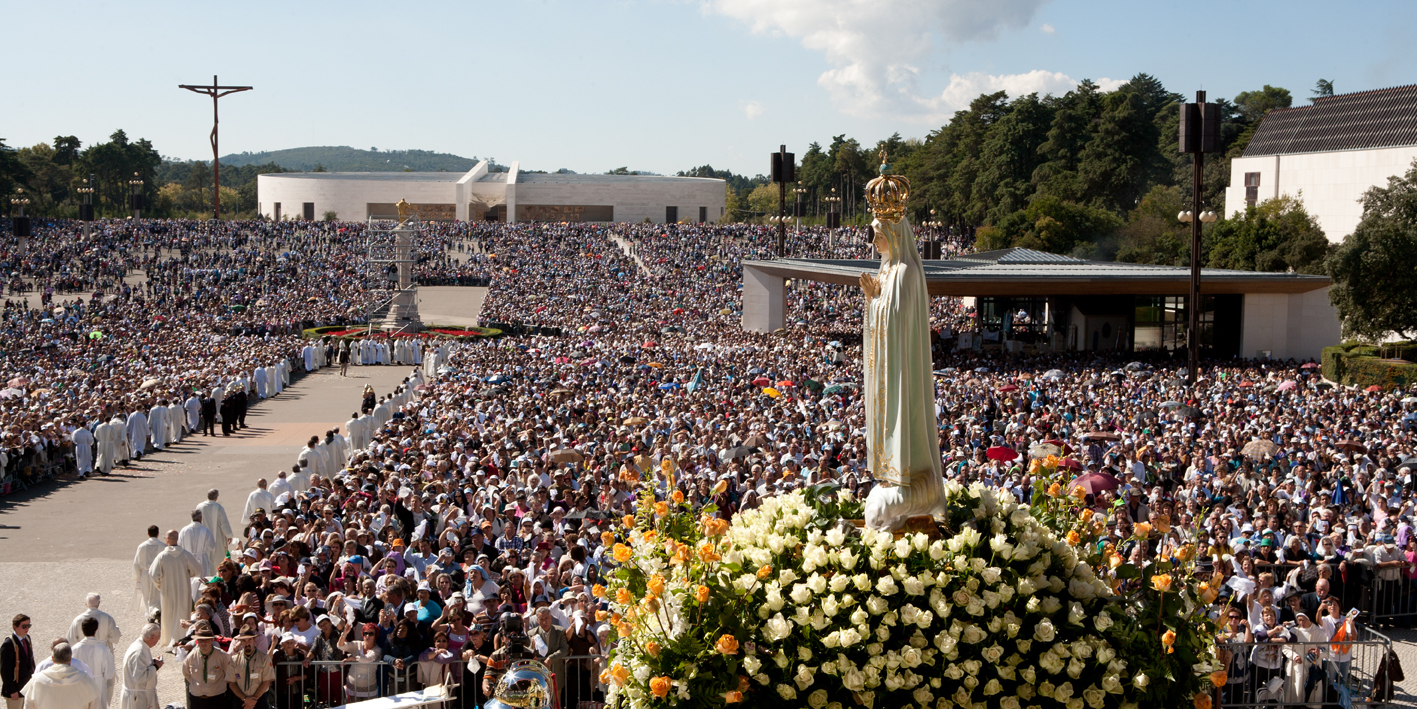
The third stage is the annihilation of some nations as prophesied at Fatima. This will have horrible, unimaginable consequences for the whole world, which will never be the same.
For 2000 years, Satan has planned this annihilation as his way of claiming back the world that I redeemed by my blood. I do not want this annihilation. That is why my mother has spoken so often and why I am now speaking so clearly. The world must be told that the annihilation of the nations is not far away. If the Church does not want to reveal the truths contained in the Fatima secret, then I will use this little voice to do so.

12. Discernment of Spirits

 Sep 2nd, 2013


Mary
Discernment of Spirits is a very important spiritual gift which is also unknown to most. There are three “spirits” – the Holy Spirit, the human spirit and the diabolical spirit. The Holy Spirit guided Jesus to stay behind in the temple. When I asked, “Son, why have you done this to us?” He replied, “Should I not be in my Father’s house?” The Holy Spirit told him to stay in the temple.
When Peter refused to believe that Jesus would suffer and when he refused to allow Jesus to wash his feet, until he was corrected, Peter was acting in the human spirit.
When Judas betrayed Jesus and left the Last Supper, he was acting under the demonic spirit which controlled his heart. “It was night”.
The human spirit stands between God’s Spirit (who invites it to goodness) and the demonic spirit that uses every opportunity to enslave it to darkness. If people do not pray, their human spirit, with all its passion, ambitions and weaknesses will inevitably make false steps and walk in diabolical darkness. How much the soul needs to discern which spirit is guiding its decisions.

13. Discerning the Evil One


Mary
The spirit of evil is most effective when he is hidden and people do not realize that he is at work. The gift of discernment unmasks him, reveals him, and shows the person how to be freed from his power.
He is the spirit of lies, confusion and division. He is the spirit of wars, suffering and destruction. He is the spirit of lust. (Oh, how this spirit has gone forth upon the world.) He is the spirit of death in abortions and of hatred in relationships. He is the spirit of greed that drives a person to seek avariciously and to forget his neighbor. He is the spirit of infidelity that leads a spouse into illicit relationships. He is the spirit of addictions that claims alcoholics and those who use drugs.
He is the spirit of division that divides and destroys families; the spirit of hatred and revenge which resists God’s gift of forgiving others. He is the spirit of rebellion when people say, “I will not serve God.” How extensive is his influence. Because he is not seen, he goes undetected.
He is everywhere, but must act only on the surface until he discovers some door into the human heart. Then he enters, until he is revealed and renounced.


http://www.locutions.org/2013/09/11-evangelizing-and-miracles/

terça-feira, 3 de setembro de 2013

ST. PIUS X AND THE PRIEST. S.Pio X e os modernistas. Festividad de San Pio X, Papa y Confesor, y 102º Aniversario del Juramento Anti-modernista. St. Pius X – September 3 by Prof. Plinio Corrêa de Oliveira. San Pio X nutrì il gregge con la vera dottrina


A atitude pessoal de São Pio X para com os modernistas.


Na festa de São Pio X, pedimos a intercessão de tão insígne Pontífice para que imitemos o seu exemplo de caridade e zelo.
Desde sua primeira encíclica, Pio X urgia por caridade mesmo para com “aqueles que se nos opõe e persegue, vistos, talvez, como piores do que realmente são”. Esta caridade não era um sinal de fraqueza, mas estava fundamentada na esperança: “a esperança”, escreveu o Papa, “de que a chama da caridade Cristã, paciente e afável, dissipará as trevas de suas almas e trará a luz e a paz de Deus”.
Pio X também tinha sua esperança – de ver os adversários da Igreja emendando seus caminhos e renunciando seus erros – no que diz respeito aos modernistas.
Os testemunhos que citaremos o provarão de maneira incontestável. Mas Pio X fez mais: discretamente deu assistência financeira a alguns deles ou lhes arranjou outros ofícios; em outros casos, mostrou-se prudente antes de condená-los. Era esta generosidade, nada excepcional, incompatível com sua determinação na luta contra o modernismo? Como pode o mesmo homem que impõe sanções, depõe clérigos, excomunga, simultaneamente mostrar-se caridoso e contido? Durante o processo de beatificação, o Promotor da Fé apresentou uma série de objeções; uma delas era: “Sejamos francos: a questão, a única questão que, a meu ver, parece se levantar neste grande inquérito, é saber se Pio X, em sua luta contra o modernismo, ultrapassou as fronteiras da prudência e da justiça, particularmente em seus últimos anos…” [Novae Animadversiones, citado em Conduite de s. Pie X, p. 14] A isso, o Postulador da Causa respondeu com um volumoso dossiê de mais de 300 páginas no qual mostrava que Pio X era “firme em seus princípios, correto em suas intenções e paciente e afável com aqueles com quem lidava, mesmo se tivesse razões justas para expressar sua angústia por causa deles”. [Ibid., p. 20]
Voltamo-nos a esta questão da atitude pessoal de Pio X para com os modernistas e citaremos vários casos. Os contemporâneos de Pio X talvez desconhecessem esses gestos de caridade e justiça da parte do Pontífice. No dia seguinte à morte do Papa, Mons. Mignot, que era próximo dos modernistas, repreendeu o falecido nos seguintes termos: “Pio X era um santo, com um desinteresse raro para um italiano, mas suas idéias absolutas paralisavam seu coração… Ele esmagou muitas almas, a quem um pouco de ternura teria mantido no caminho correto”. [Carta de Mons. Mignot a Hügel, 9 de setembro de 1914, citado por Poulat, Histoire, dogma et critique, p. 480] Os historiadores do modernismo não mencionam os gestos de caridade ou justiça de Pio X, ou o fazem apenas de passagem. O número e a consistência destes atos mostram, todavia, que não foram resultados de decisões excepcionais de sua parte, mas manifestavam uma disposição intelectual e uma atitude espiritual. Na luta contra o fenômeno do modernismo, todos os métodos eram usados, e sem piedade, pois Pio X considerava que a fé dos fiéis estava em perigo e que o futuro da Igreja estava em jogo; por outro lado, quando se tratava da sorte dos modernistas, Pio X, sabendo-o, fazia grande esforço para ser o mais justo, prudente e caridoso possível.
Um exame das relações de Pio X com Loisy, o mais famoso dos modernistas, dá-nos uma boa idéia de seus profundos sentimentos. Como já vimos, quando Loisy manifestou sua disposição de se submeter, Pio X exigia, insistia que o exegeta francês devesse fazer uma completa e sincera submissão “com seu coração”. Loisy, que persistiu em seus erros após a Pascendi, acabou excomungado. Viveu em retiro em Ceffonds, Haute-Marne, e logo seria eleito para o Collège de France. No entanto, Pio X não o via como um filho perdido da Igreja. Em 1908, recebendo o novo bispo de Châlons, Dom Sevin, Pio X recomendou-lhe Loisy (a quem ele havia excomungado há pouco tempo). As palavras do Papa foram relatadas pelo próprio Loisy: “O senhor será o bispo do Pe. Loisy. Se tiver a oportunidade, trate-o com gentileza; e se ele der um passo em sua direção, dê dois na direção dele”. [Loisy, Mémoires, vol. III, p. 27. Pe. Lagrange dá outra versão destas palavras, versão que ouviu da boca de Dom Sevin; quando o bispo de Châlons perguntara ao Papa que atitude deveria adotar com relação a Loisy se este demonstrasse arrependimento, o Papa respondeu: Recebei-o de braços abertos. Digo ao senhor que ele, meu filho, irá voltar” (Lagrange, M. Loisy et le modernisme, p. 138)]
Outro caso é o do Pe. Murri. Como veremos, a Liga Nacional Democrática que fundara foi condenada pelo Papa. Ele tinha conhecidos laços com modernistas. Em abril de 1907, no despertar de uma série de artigos nos quais Murri amargamente criticava a política do Vaticano na França, Pio X enviou uma carta ao bispo da diocese deste líder democrático, instruindo-o a informar a este último que estava suspenso a divinis. Quando, alguns meses depois, a Encíclica Pascendi estava prestes a ser publicada, havia uma certa expectativa de que Murri fosse imediatamente excomungado, dado que estava absolutamente claro que o turbulento líder democrata cristão se oporia à Encíclica. O problema foi colocado a Pio X, que preferiu ser paciente. Em 25 de agosto de 1907, escreveu à Congregação do Santo Ofício: “Se tudo estiver em ordem com o celebret do Pe. Romolo Murri, ele não pode, sem grave injustiça, ser proibido de rezar Missa, na medida em que não realizou qualquer ato condenado pela Encíclica”. [Citado por Dal-Gal, Pie X, p. 404] Murri, contudo, persistiu publicamente em suas posições e foi, ao fim, excomungado em 1909. Posteriormente, ele experimentou graves dificuldades financeiras; Pio X soube disso e pagou-lhe uma pensão mensal.[Depoimento do Cardeal Merry del Val, Summarium, p. 195]
[…]
Pio X tinha de levar muitas coisas em consideração: a salvaguarda da fé e do bem da Igreja, a necessidade e a legitimidade de estudos em matérias de religião, o bem pessoal e a boa fé das pessoas envolvidas, assim como as manobras, as ambições e o zelo das partes. Enquanto Papa, seu dever eram aqueles primeiros; como cristão, estava obrigado a seguir a caridade, prudência e justiça. [...] Pio X sentia como seu dever, enquanto guardião da fé, combater o modernismo, e fazê-lo usando os mais variados métodos e sem fraqueza, pois, como via, a própria existência da Igreja estava ameaçada. Ao mesmo tempo, sem fazer qualquer concessão ao erro, esforçava-se por ajudar os culpados ou suspeitos, e tomava grande cuidado em limitar os excessos dos anti-modernistas. Uma de suas máximas favoritas era: “devemos combater o erro sem ferir as pessoas envolvidas”.
Saint Pius X, Restorer of the Church – Yves Chiron, Angelus Press, 2002, pp. 236-237;241-242. Tradução: Fratres in Unum.com.


Festividad de San Pio X, Papa y Confesor, y 102º Aniversario del Juramento Anti-modernista

http://www.suore.it/images/Pio-X.jpg
Hoy se celebra la festividad de San Pío PP. X, dos días después del centésimo primer aniversario de su Motu Proprio "Sacrorum Antistitum" contra el Modernismo. En dicho motu proprio se imponía a todo el clero el JURAMENTO CONTRA LOS ERRORES DEL MODERNISMO, que fue obligatorio desde septiembre de 1910 hasta julio de 1967, pero cuyo contenido sigue siendo Doctrina de la Iglesia.

Bajo estas líneas pongo íntegro el texto del juramento en español:

FÓRMULA DEL JURAMENTO

Yo, _________ , abrazo y acepto firmemente todas y cada una de las cosas que han sido definidas, afirmadas y declaradas por el Magisterio inerrante de la Iglesia, principalmente aquellos puntos de doctrina que directamente se oponen a los errores de la época presente.

Y en primer lugar: profeso que Dios, principio y fin de todas las cosas, puede ser ciertamente conocido y, por tanto, también demostrado, como la causa por sus efectos, por la luz natural de la razón mediante las cosas que han sido hechas, es decir, por las obras visibles de la creación.

En segundo lugar: admito y reconozco como signos certísimos del origen divino de la religión cristiana los argumentos externos de la revelación, esto es, hechos divinos, y en primer término, los milagros y las profecías, y sostengo que son sobremanera acomodados a la inteligencia de todas las épocas y de los hombres, aun los de este tiempo.

En tercer lugar: creo igualmente con fe firme que la Iglesia, guardiana y maestra de la palabra revelada, fue próxima y directamente instituida por el mismo verdadero e histórico Cristo, mientras vivía entre nosotros, y que fue edificada sobre Pedro, príncipe de la jerarquía apostólica, y sus sucesores para siempre.

Cuarto: acepto sinceramente la doctrina de la fe transmitida hasta nosotros desde los Apóstoles por medio de los Padres ortodoxos siempre en el mismo sentido y en la misma sentencia; y por tanto, de todo punto rechazo la invención herética de la evolución de los dogmas, que pasarían de un sentido a otro diverso del que primero mantuvo la Iglesia; igualmente condeno todo error, por el que al depósito divino, entregado a la Esposa de Cristo y que por ella ha de ser fielmente custodiado, sustituye un invento filosófico o una creación de la conciencia humana, lentamente formada por el esfuerzo de los hombres y que en adelante ha de perfeccionarse por progreso indefinido.

Quinto: Sostengo con toda certeza y sinceramente profeso que la fe no es un sentimiento ciego de la religión que brota de los escondrijos de la subconsciencia, bajo presión del corazón y la inclinación de la voluntad formada moralmente, sino un verdadero asentimiento del entendimiento a la verdad recibida por fuera por oído, por el que creemos ser verdaderas las cosas que han sido dichas, atestiguadas y reveladas por el Dios personal, creador y Señor nuestro, y lo creemos por la autoridad de Dios, sumamente veraz.

También me someto con la debida reverencia y de todo corazón me adhiero alas condenaciones, declaraciones y prescripciones todas que se contienen en la Carta Encíclica Pascendi y en el Decreto Lamentabili, particularmente en lo relativo a la que llaman historia de los dogmas.

Asimismo repruebo el error de los que afirman que la fe propuesta por la Iglesia puede repugnar a la historia, y que los dogmas católicos en el sentido en que ahora son entendidos, no pueden conciliarse con los auténticos orígenes de la religión cristiana.

Condeno y rechazo también la sentencia de aquellos que dicen que el cristiano erudito se reviste de doble personalidad, una de creyente y otra de historiador, como si fuera lícito al historiador sostenerlo que contradice a la fe del creyente, o sentar premisas de las que se siga que los dogmas son falsos y dudosos, con tal de que éstos no se nieguen directamente.

Repruebo igualmente el método de juzgar e interpretar la Sagrada Escritura que, sin tener en cuenta la tradici6n de la Iglesia, la analogía de la fe y las normas de la Sede Apostólica, sigue los delirios de los racionalistas y abraza no menos libre que temerariamente la crítica del texto como regla única y suprema.

Rechazo además la sentencia de aquellos que sostienen que quien enseña la historia de la teología o escribe sobre esas materias, tiene que dejar antes a un lado la opinión preconcebida, ora sobre el origen sobrenatural de la tradición católica, ora sobre la promesa divina de una ayuda para la conservación perenne de cada una de las verdades reveladas, y que además los escritos de cada uno de los Padres han de interpretarse por los solos principios de la ciencia, excluida toda autoridad sagrada, y con aquella libertad de juicio con que suelen investigarse cualesquiera monumentos profanos.

De manera general, finalmente, me profeso totalmente ajeno al error por el que los modernistas sostienen que en la sagrada tradición no hay nada divino, o lo que es mucho peor, lo admiten en sentido panteístico, de suerte que ya no quede sino el hecho escueto y sencillo, que ha de ponerse al nivel de los hechos comunes de la historia, a saber: unos hombres que por su industria, ingenio y diligencia, continúan en las edades siguientes la escuela comenzada por Cristo y sus Apóstoles.

Por tanto, mantengo firmísimamente la fe de los Padres y la mantendré hasta el postrer aliento de mi vida sobre el carisma cierto de la verdad, que está, estuvo y estará siempre en la sucesión del episcopado desde los Apóstoles; no para que se mantenga lo que mejor y más apto pueda parecer conforme a la cultura de cada época, sino para que nunca se crea de otro modo, nunca de otro modo se entienda la verdad absoluta e inmutable predicada desde el principio por los Apóstoles.

Todo esto prometo que lo he de guardar íntegra y sinceramente y custodiar inviolablemente sin apartarme nunca de ello, ni enseñando ni de otro modo cualquiera de palabra o por escrito.

Así lo prometo, así lo juro, así me ayude Dios y estos Santos Evangelios de Dios.
http://catholicvs.blogspot.com/2011/09/festividad-de-san-pio-x-papa-y-confesor.html


HOJE É A FESTA DE S. PI


St. Pius X – September 3


St. Pius X – September 3

Prof. Plinio Corrêa de Oliveira


The life of St. Pius X speaks to us in so many ways that it is difficult to choose the one with a more formative character. But we can begin by stressing a curious facet of his life that also signifies an aspect of the life of the Church.

The times of Pius IX and Leo XIII

We know that Pius IX, the predecessor of St. Pius X, was a prototype of a counter-revolutionary Pope. He proclaimed the dogmas of Papal Infallibility and the Immaculate Conception; he fought on every front of combat and was attacked on all of them by the Revolution. His pontificate closed at the apex of his confrontation with the Revolution, with the troops of Garibaldi and Victor Emmanuel taking Rome as well as the Pontifical Territories from the Pope.


Pius X

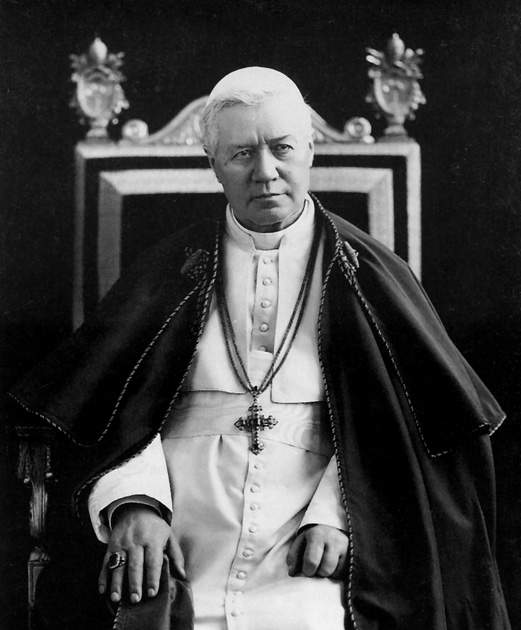
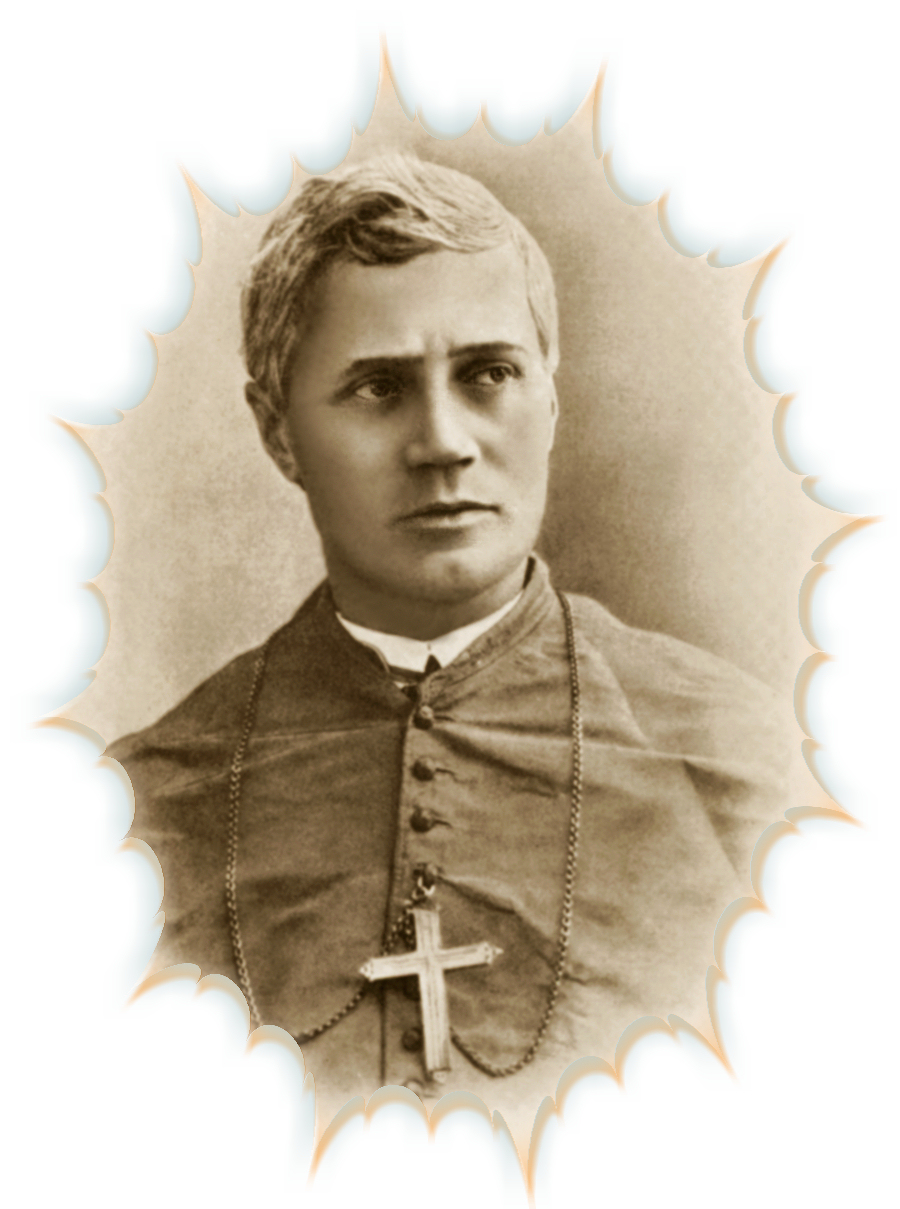
Giuseppe Melchiorre Sarto, St. Pius X

After Pius IX, whose process of canonization is ongoing, came Leo XIII. I have never heard anyone propose a process of canonization for him. There is no record that even his greatest enthusiasts ever considered this possibility. Recently (these comments were made in 1966), an ensemble of letters by Leo XIII to his family was published by a German scholar, who, with that delightful naiveté of many Germans, presented them exactly as they were written. I believe that those letters destroyed any possibility of the canonization of Leo XIII.

From a small perspective – because those letters reflect only a very small part of his life – Leo XIII revealed in them his great concern about the glory of the Pecci family, that is, his own family. He had been Count Pecci. So, there are letters to his sister, his mother, and other members of the family remarking how he did this and that as Pope, and that his actions would bring great glory for the Pecci family. The lackluster name of the Pecci family, he noted, would now be immortal! The publication of these candid letters found an icy reception from the Italian press, and given its inconvenience, the book was more or less set aside and forgotten.

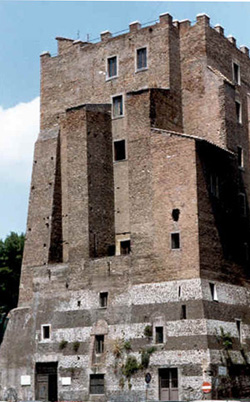
To show how such an attitude is unbefitting the role of a Pope, let me remind you of an episode that took place in the Middle Ages. Pope Innocent III was reigning. His pontificate was praiseworthy in many aspects. But he had the weakness to construct a tower in honor of his family, the Conti family. He built the Torre dei Conti over a site where Roman Emperors used to erect historical monuments for their personal glory. Perhaps Innocent III was trying to compare himself to them. The tower is still there, near the Coliseum.

Torre dei Conti

Innocent III commanded that the Tower of the Conti, above, be built to glorify his own family

A holy religious woman, whose name I don’t recall at this moment, had a vision that she communicated to the Pope about this tower. In the revelation Our Lord ordered her to tell Innocent III that because he made that tower to glorify his family, he would remain in Purgatory until the last day of the world. Here is a criterion to understand what Leo XIII’s vainglory regarding his family probably represented in the eyes of God.

Leo XIII was a Pope whose pontificate could be symbolized by the ralliement [in French, re-uniting], the policy of uniting Catholic social-political views with the Masonic ideals of the French Revolution, until then strongly condemned by the Church. That is, a policy diametrically opposed to that of Pius IX.

St. Pius X was the counter-revolutionary Pope who condemned the Sillon, condemned Modernism, and re-established the Catholic position in France that had been shaken by the ralliement. He was also the one who instituted the policy of permitting First Communion for children at the age of reason, among many other splendid things he did.

Leo XIII had a very long pontificate, so long that he saw the deaths of all the Cardinals who had elected him. When the last of these Cardinals died, he had a medal stamped saying to the body of Cardinals he had created: “It was not you who chose me, but I who chose you.” It was another manifestation of vainglory. It was this body of Cardinals created by Leo XIII that, after he died, elected Pope St. Pius X.

A mysterious inner force that restores the Church

The fact of his election illustrates something of a mystery that exists in the life of the Church. Given her intrinsic sanctity, everything follows in accord with the plans of God when the hour of Divine Providence arrives. At the hour when God wants to intervene, even in the darkest, more incomprehensible, and almost hopeless situation, a force acts in the Church and it moves the action of men and the reaction of the Catholic grassroots in the most unexpected and inconceivable ways.

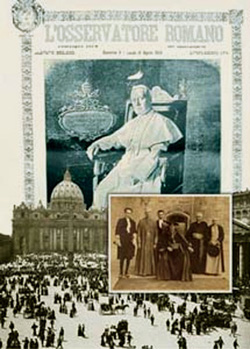
Election of Giuseppe Sarto

The surprise election of Giuseppe Sarto announced in the Observatorre Romano the next day

The election of St. Pius X was like this, and it shows us that we should always consider the possibility that this institutional force will intervene and do something that we could not imagine. This force comes from the presence of Our Lord in the Church. More than in any other domain of creation, in the Church a word from Him has a decisive weight and can change everything. When things go awry in the Church, it is because God chooses not to intervene. Our Lord sleeps in the bark of the Church, like He slept in the boat with the Apostles. Our Lord was sleeping as the storm reached its apex. The Apostles became fearful and awakened Him. Then He ordered the storm to stop, and there was a great calm. How many times in the History of the Church has Our Lord seemed to be sleeping! Perhaps if we would pray more for Him to awaken, things would be different.

With the election of St. Pius X, this happened. Cardinal Sarto made no effort to be elected. On the contrary, he made a resistance to his own election, perhaps because he perceived the overwhelming weight that he would have to carry on his shoulders. Finally he accepted, but he lacked some of the many capacities necessary to exercise the pontifical function. He was not an accomplished diplomat, for example, and was unfamiliar with the great political questions of the time. He needed someone to help him govern with regard to these important matters.

Then he became acquainted with Cardinal Merry del Val. When St. Pius X accepted the Papacy, he had no idea how he would be able to deal with those questions, but God put the necessary man near him. This is just one highlight of his glorious pontificate.

Fulmination of Modernism

When St. Pius X rose to the Pontifical Throne, a large part of the good Catholic press was so discouraged and defeated that it was near death. Almost all the elements of the Counter-Revolution were in an analogous state. I read a report of a Catholic French ultramontane of that time in which he described how his movement was so devastated that they did not even realize during the first years of St. Pius X’s pontificate that he was their champion. The nightmare they had endured under Leo XIII had lasted so long that it took some time for them to awaken from that dark night, and begin to marvel at the true dawn St. Pius X represented for the good cause.

It is good for us to consider what his condemnation of Modernism represented. A conspiracy had been established inside the Church, like a conspiracy inside a country, in order to usurp the supreme power. It intended to submit the Church to a series of reforms in order to adapt her to the errors of the Revolution. It wanted to establish democracy throughout the Church; it wanted the Church to support and collaborate with all the political leftist parties and movements; it prepared a false ecumenism to be made with all false religions in order to spread religious indifferentism everywhere so that no one would have certainty about the one true Faith. For Modernism the faith inside of each person was sufficient. In brief, it wanted the Catholic Church to stop being herself.

St. Pius X discovered this conspiracy, and fulminated against it with his documents. This is the first great characteristic of his pontificate, which would be enough to immortalize him. Imagine if he had failed to do so. Today, any reaction against Communism and Progressivism would be impossible. We are still in this fight because he smashed Modernism at the beginning of the 20th century. We are here now, because of the fierce energy of St. Pius X.

He inherited from his predecessor a notable work, the restoration of Scholasticism. However, as soon as Leo XIII died, Scholasticism began to be distorted in order to accommodate Modernism. St. Pius X elaborated a summary of the fundamental thesis of Thomism – a kind of appendix to the Encyclical Aeterni Patris – which he obliged all teachers and professors of theology and philosophy to accept under oath. With this he preserved the great edifice of Scholasticism from corruption.

Against the ideals of the French Revolution

At that time, France was the most influential nation in the world. The political and social life of France, the pro and con positions of anti-clericalism, the confrontation between Revolution and Counter-Revolution were followed and imitated by almost the whole world. Years before, the Prince of Metternich, a famous Austrian minister, expressed this well in a very picturesque way, saying, “When France has a cold, all Europe sneezes.” This influence continued into the time of St. Pius X.

Jeanne d'Arc Paris

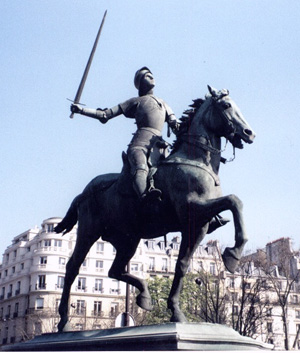
The beatification of St. Joan of Arc recalled the Catholic support for the monarchy in France

In the France of those days, there was a strong tendency, even among the Bishops, to accept the separation between the Church and the State, along with other principles of the French Revolution. St. Pius X prepared a bomb to destroy this position. It was his Encyclical Vehementer Nos, in which he laid to rest all the hopes of Laicism in France, the compromises being proposed by the French government and the Liberal clergy, and initiated a true ideological war against the revolutionary French regime. This bomb stopped or slowed down the march of Revolution in its ensemble for a long time in France.

He gave another important blow against the ideals of the French Revolution when he announced the the beatification of St. Joan of Arc, an action that strongly displeased the Revolution, because St. Joan of Arc represented Catholic France holding a sword for the restoration of the legitimate monarchy. She also fought to maintain the integrity of the French borders. The announcement of her beatification caused a tremendous joy among the French people, and it considerably strengthened the Catholic ultramontane cause.

The importance of early Communion for children

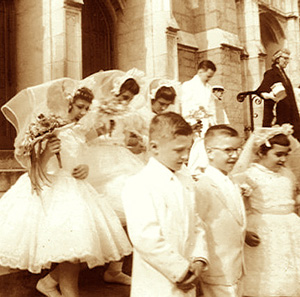
Another great thing that St. Pius X did was to allow Communion for children at age 7 and encourage daily Communion. I sustain that this measure, besides having all the spiritual advantages we know, created an enormous difficulty for the Devil and his cohorts to have power over many souls.

First Communion

Permitting early First Communion for children struck a strong blow to the Revolution

Let me explain this point. Before this measure of St. Pius X, Catholics would make their First Communion only in their late childhood or adolescence, after many mortal sins would have already been committed, giving the Devil a special power over them. For this reason, many souls abandoned the Catholic Faith even before they received First Communion, making them an easy prey for the Devil and Secret Societies.

On the contrary, in a child who receives his First Communion in the state of his first innocence and has the possibility of making frequent Communions, Our Lord establishes Himself with a special power over the soul and, consequently, diminishes the power of the Devil. This also diminishes the power of Masonry and other Secret Societies over those Catholics who become members of such organizations. Their power over those members will never be as great as it would have been had they not received First Communion as children.

I consider this measure of St. Pius X as a fundamental cause for the loss of influence and dominion of Masonry over its members. I am not talking about its control over world events, where Masonry became more powerful, but rather its control over the interior of souls, where it became weaker.

A Prophet who was rejected

St. Pius X was not only a good Pope; he was a saint and a counter-revolutionary. In a certain way he was also a prophet. He made a last appeal for the people of his era to persevere and prevent the chastisements that could come. If the world would not listen to his appeal, then World War I would come as a chastisement. Cardinal Merry del Val reported in his memoirs that St. Pius X predicted the war as the end of an era. One can see that there is a link between St. Pius X and Fátima. Since his pontificate was not well accepted, the war came, and this was a principle cause for the rise of Communism in Russia, and afterward, the dissemination of its errors all over the world. One thing is linked to the other.

Pius X Portrait

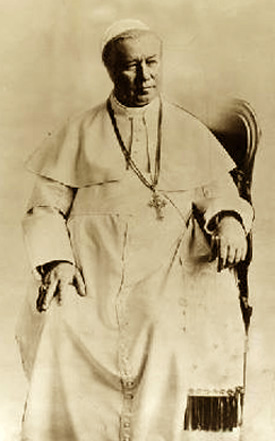
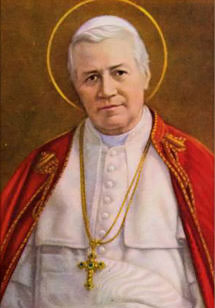
Pope St. Pius X

The magazine La Critique du Liberalisme [The Critique of Liberalism] published an article about the death of St Pius X. The author sustains the thesis that St. Pius X was murdered on the order of Masonry. He affirms that St. Pius X caught a simple cold, but suddenly and inexplicably that cold would cause his death. One morning when he awakened, he could no longer speak, which was not proportional to that cold; he tried to write in order to communicate something, but also found himself unable to write. Soon afterward he died.

The author also tells about a young, brilliant naval officer in Prussia who became a Jesuit. After being ordained, he became a nurse and was named to take care of the Pope during that cold. On that final night of the life of St. Pius X, he was closely attending the Pope. After the Pope died, the Jesuit returned to Prussia, left the Order, and returned to a brilliant career as a naval officer. During the war he became a submarine commander. The author affirms that St. Pius X was killed on the order of the German Masonry, and therefore, would be a martyr. I repeat the thesis of this article without having formed my own opinion on it.

In his memoirs Cardinal Merry del Val confirms that St. Pius X could not speak or write, and he adds: “No one will ever know what happened that night.” It is a mysterious phrase.

In 1950, I followed the funeral ceremonies for Marc Sangnier in the French press. Sangnier had been the leader of the Sillon movement, which was condemned by St. Pius X in the Encyclical Notre charge apostolique. The burial of Sangnier was a veritable apotheosis. His body was exposed for public viewing in the Cathedral of Notre Dame, the burial cortege was followed by members of the French government, Senate, House of Representatives, diplomatic body, and numerous ecclesiastics. All this was done in a spirit of protest against the condemnation St. Pius X made of Modernism.

One year later, St. Pius X was beatified. There were no celebrations in France, at least nothing that came close to those for Sangnier. This shows how St. Pius X was rejected.

Even with this hatred, Divine Providence made the memory of St. Pius X shine above the firmament of the Church to illuminate the dark days that would come after him. He is an astral body, like a moon, that prolongs the glimmer of the Papacy amid the darkness that fell over the Church after his death.

What should we ask of St. Pius X? There are so many things to ask that the best advice is to ask for everything: the unexpected victories, perseverance, the gift of raising the fury of the enemies, astuteness, and the courage to walk even to a martyr’s death if necessary.


Tradition in Action


j000 SD Dr. Plinio.gif - 9040 Bytes

Prof. Plinio Corrêa de Oliveira
source

The Saint of the Day features highlights from the lives of saints based on comments made by the late Prof. Plinio Corrêa de Oliveira. Following the example of St. John Bosco who used to make similar talks for the boys of his College, each evening it was Prof. Plinio’s custom to make a short commentary on the lives of the next day’s saint in a meeting for youth in order to encourage them in the practice of virtue and love for the Catholic Church.


Feast of Pope St. Pius X


S. Pio X nutrì il gregge con la vera dottrina

http://chiesaepostconcilio.blogspot.pt/


San Pio X nutrì il gregge con la vera dottrina


Oggi ricorre la festa di San Pio X e mi piace ricordarlo, come ha fatto Rorate Caeli, con la citazione dell'Allocuzione Si Diligis rivolta da Pio XII a Cardinali, Arcivescovi e Vescovi dopo la canonizzazione del grande Pontefice, il 31 Maggio 1954. Ho messo il link all'unico testo (in latino) presente sul sito della Santa Sede.

E così mi sono accorta di quanto la traduzione inglese impoverisca il contenuto mirabile del testo e di quanta importanza esso abbia nei copiosi riferimenti al Magistero ed al munus docendi.

Nella ricorrenza odierna riporto, come memoriale, il significativo incipit e mi riprometto, con calma, di continuare a tradurre direttamente dal testo latino anche le altre parti che hanno costituito per me una sorpresa e ci saranno di grande utilità. A meno che qualche lettore non possa ricavare dalle raccolte il testo italiano e gentilmente me lo invii; gliene sarei molto grata.

« Se ami... pasci ». Quale sia il significato del lavoro apostolico, la sua virtù esaltata, la fonte e l'origine dei suoi meriti lo insegna il comando del nostro divin Salvatore all'apostolo Pietro, col quale ha inizio la Messa in onore di uno o più Sommi Pontefici.
Gesù Cristo, sommo ed eterno Sacerdote e Pastore delle anime, per noi ha insegnato cose grandi, ha fatto cose mirabili, ha sopportato cose molto dure. Pio X, il vescovo di Roma, che è stata nostra grande gioia iscrivere nella lista dei santi, seguendo da vicino le orme del suo Divino Maestro, ha preso il comando dalle labbra di Cristo e strenuamente, lo ha svolto: pascendo amò e amando nutrì. Amava Cristo e nutrì il suo gregge : dai tesori celesti che il misericordioso Redentore ha portato sulla terra, bevve con parsimonia quel che ha distribuito largamente al gregge : il nutrimento della verità, i misteri celesti, la suprema grazia del sacrificio e sacramento eucaristico, la dolcezza della carità, la serietà nel governo, la fortezza in difesa; ha dato tutto se stesso e quelle cose che l'Autore e Datore di ogni bene aveva elargito su di lui. [...]

ST. PIUS X AND THE PRIEST


POPE ST. PIUS X: SEPIA
BAR
The Priesthood 2-1
BAR
RECIPE FOR HOLINESS
ST. PIUS X AND THE PRIEST
Nihil Obstat: Joannes McCormack, Cens. Dep. die 2 Maii 1959
Imprimatur: + Joannes Kyne Epus. Miden. die 2 Maii 1959
CONTENTS: PREFACE
INTRODUCTION
HOLINESS OF LIFE
MEANS TO HOLINESS
PIETY AND PRAYER
SACRIFICE
CHARITY
ZEAL
DIGNITY AND PROPRIETY
PREACHING
SOCIAL APOSTOLATE


Image  

Festa de S. Pio X

  HAERENT ANIMO - Papal Encyclicals Online

Haerent animo - Pio X - La Santa Sede

HAERENT ANIMO ESORTAZIONE AL CLERO CATTOLICO IN OCCASIONE DEL 50° ANNIVERSARIO DEL SUO SACERDOZIO. I.MOTIVI E INTENTI. 1

Pio X
Exortação ao Clero
(Haerent animo)
ÍNDICE
Preâmbulo .................................... 3
Fim desta exortação ........................... 4

I. SANTIDADE DO PADRE
Necessidade da santidade sacerdotal ............ 4
Exigências da santidade sacerdotal .............. 9

II. MEIOS DE ADQUIRIR A SANTIDADE
Oração ....................................... 12
Leitura espiritual .............................. 18
Exame de consciência .......................... 20

III. MEIOS DE RENOVAÇÃO ESPIRITUAL
Retiro anual ................................... 24
Retiro mensal .................................. 25
Associações sacerdotais ......................... 25
Conclusão ..................................... 26
 
EXORTAÇÃO
De S. S. Pio X ao Clero Católico por ocasião do quinquagésimo aniversário do seu Sacerdócio.
PIO X, PAPA
Caros Filhos, saúde e bênção apostólica.
Preâmbulo
1. Trazemos profundamente gravadas em nossa almas as palavras tremendas do apóstolo dos gentios ao se dirigir aos hebreus (13, 17) lembrando-lhes o dever da obediência aos Superiores, e dizendo-lhes com todo o peso de sua autoridade: Ipsi enim pervigilant quasi rationem pro animabus vestris reddituri. Este aviso, não há dúvida, dirige-se a quantos tenham na Igreja autoridade, mas, de modo particular, a Nós, que, não obstante a Nossa insuficiência, fomos chamado por Deus para ocupar o primeiro lugar na hierarquia eclesiástica. Eis porque, noite e dia preocupado com nossa responsabilidade, temos sempre nosso pensamento e esforços voltados para tudo o que possa garantir, salvaguardar e favorecer o progresso do rebanho do Senhor. Uma coisa sobremaneira nos preocupa: ter, nas Ordens Sagradas, homens que estejam perfeitamente à altura desta missão. Pois estamos convencidos de que isso, sobretudo, nos dá motivos para as melhores e mais confiantes esperanças para o bem da Religião. Eis por que, desde nossa elevação ao Soberano Pontificado, embora bem patentes nos fossem os grandes méritos do clero considerado em geral, julgamos nosso dever exortar instantemente aos nossos veneráveis Irmãos, os Bispos do Orbe Católico, para que
3
empreguem todos os seus cuidados e máxima solicitude em formar o Cristo naqueles que têm por missão formar também o Cristo nos outros. Bem conhecemos a solicitude com que muitos Antístites têm desempenhado essa missão. Sabemos com que vigilância e zelo procuram assiduamente formar o clero na virtude. E queremos não só louvá-los, como também publicamente agradecer-lhes.

Fim desta exortação.
2. Felicitamo-nos, é certo, vendo que numerosos padres, inflamados, pelo zelo de seus Bispos, de um santo ardor, fazer em si reviver ou crescer a graça de Deus que receberam no dia da ordenação sacerdotal. Todavia, temos ainda a lamentar que alguns outros, em países diversos, não procedam como deviam, de modo a oferecer ao povo cristão, que os contempla como num espelho, o modelo de vida a praticar e um exemplo a seguir. A estes, sobretudo, queremos, por esta carta, abrir nosso coração, que como um coração de pai, à vista do filho doente, palpita de um amor angustiado. E inspirado por este amor, juntamos as nossas exortações às dos Bispos. E se elas têm por fim principal trazer a melhores sentimentos os transviados e os tíbios, desejamos todavia que sejam um incentivo também para os outros. Mostramos o caminho que deve cada um esforçar-se por seguir com ardor sempre maior, para que seja, em verdade, segundo a bela expressão do Apóstolo, um homo Dei (1 Tim 6, 11) e corresponda às legítimas esperanças da Igreja.

Jesus não precisa de exércitos para vencer o mal, a sua força é a humildade – Papa Francisco na Missa em Santa Marta


RealAudioMP3
Onde está Jesus há humildade, mansidão e amor. Estas as ideias principais que podemos colher da meditação matinal do Papa Francisco na Missa na Capela da Casa de Santa Marta nesta Terça-Feira 3 de Setembro. O Santo Padre deixou claro que Jesus não precisa de exércitos para vencer o mal e partindo das palavras de S. Paulo que se dirige aos discípulos dizendo-lhes que eles não são filhos das trevas mas filhos da luz, o Papa Francisco desenvolveu a sua meditação desta manhã apontando Jesus como a Luz da Paz.
“Si può conoscere tutto, si può avere scienza di tutto e questa luce sulle cose. Ma la luce di Gesù è un’altra cosa. Non è una luce dell’ignoranza, no! E’ una luce di sapienza e di saggezza, ma è un’altra cosa che la luce del mondo...
“Pode-se conhecer tudo, pode-se ter a ciência de tudo e esta luz sobre as coisas. Mas a luz de Jesus é outra coisa. Não é uma luz da ignorância, não! É uma luz de sapiência e de sabedoria, mas é outra coisa do que a luz do mundo. A luz que nos oferece o mundo é uma luz artificial, talvez forte, até mais forte como aquela de Jesus, assim como um fogo de artifício, como um flash de uma fotografia. Ao contrário a luz de Jesus é uma luz mansa, uma luz tranquila, é uma luz de paz, é como a luz da noite de Natal: sem pretensões.”
A identidade cristã é uma identidade da luz e não das trevas – continuou o Papa Francisco – que afirmou ter sido a luz de Jesus mal aceite pelo mundo pois Jesus veio para nos salvar do pecado pois a sua luz salva-nos das trevas e dá-nos a paz. Mas – disse ainda o Santo Padre - muitas vezes o demónio aparece travestido de anjo da luz. Quantos acreditam de viver na luz e afinal vivem nas trevas, porque não querem ver a luz de Jesus que é uma luz humilde, mansa, que não se impõe, uma luz com a força da humildade e da mansidão que nos ajuda a olhar sem medo a Cruz de Cristo. No entanto, se nos deixarmos enganar e aceitamos uma luz que nos faz ser orgulhosos e cheios de soberba essa é a luz do diabo. E para distinguir uma luz da outra – disse o Papa Francisco – basta saber aonde está a humildade, a mansidão, o amor e a cruz, é aí que está Jesus, a verdadeira luz.
“Gesù non ha bisogno di un esercito per scacciare via i demoni, non ha bisogno della superbia, non ha bisogno della forza, dell’orgoglio.
“Jesus não precisa de um exército para expulsar os demónios, nem precisa da soberba, nem da força, nem do orgulho. Que palavra é esta que comanda com autoridade e potência aos espíritos impuros e esses desaparecem? Esta é uma palavra humilde, mansa, com tanto amor; é uma palavra que nos acompanha nos momentos de cruz. Peçamos ao Senhor que nos dê hoje a graça da sua luz e nos ensine a distinguir quando a luz é e vem Dele ou quando é uma luz artificial, feita pelo inimigo para nos enganar.”

segunda-feira, 2 de setembro de 2013

PAPA FRANCISCO: Donde está Dios no hay odio, envidia y celos, y no existen aquellas habladurías que matan a los hermanos

EL DIABLO SIEMBRA LA ENVIDIA EN EL CORAZÓN Y LLEVA A MATAR A LOS HERMANOS CON LA LENGUA


Donde está Dios no hay odio, envidia y celos, y no existen aquellas habladurías que matan a los hermanos: lo dijo el Papa Francisco la mañana del lunes en Santa Marta, donde ha vuelto a celebrar la Misa con diversos grupos luego de la pausa veraniega.
El encuentro de Jesús con sus contemporáneos los habitantes de Nazaret, como lo cuenta el Evangelio de San Lucas propuesto por la liturgia del día, estuvo al centro de la homilía del Papa. Los nazarenos admiran a Jesús – observó el Pontífice –pero esperan de él algo asombroso: “querían un milagro, querían lo espectacular” para creer en él. De esta manera Jesús dice que no tienen fe y “ellos se enfurecieron y, levantándose, lo empujaron fuera de la ciudad, hasta un lugar escarpado de la colina sobre la que se levantaba la ciudad, con intención de matarlo”:
“Pero miren cómo la cosa ha cambiado: comenzaron con belleza, con admiración, y terminaban con un crimen: queriendo matar a Jesús. Esto por los celos, la envidia, todas esas cosas … Esto no es algo que sucedió hace dos mil años: esto sucede cada día en nuestro corazón, en nuestras comunidades. Cuando en una comunidad se dice: ‘¡Ah, qué bueno, este que ha venido!’. Se habla bien el primer día; no tanto el segundo, y al tercero se comienza a chismear y terminan despellejándolo”.
Así los nazarenos “querían matar a Jesús”:
“Pero aquellos que en una comunidad hablan mal de los hermanos, de los miembros de la comunidad, quieren matar: ¡es lo mismo! El Apóstol Juan, en la primera Carta, capítulo III, versículo 15, nos dice: ‘Aquel que odia en su corazón a su hermano, es un homicida’. Nosotros estamos acostumbrados a las habladurías, a los chismes. ¡Cuántas veces nuestras comunidades, también nuestra familia, son un infierno donde se gesta esta criminalidad de matar al hermano y a la hermana con la lengua!”.
“Una comunidad, una familia - continuó el Papa - es destruida por esta envidia, que el diablo siembra en el corazón y que hace que uno hable mal del otro, y así se destruya”. “En estos días - subrayó - estamos hablando tanto de la paz”, vemos a las víctimas de las armas, pero se debe también pensar a nuestras armas cotidianas: “la lengua, las habladurías, el chismear”. Cada comunidad – concluyó el Papa - debe en cambio vivir con el Señor y ser “como el Cielo”:
“Para que haya paz en una comunidad, en una familia, en un país, en el mundo, debemos comenzar así : estar con el Señor. Y donde está el Señor no hay envidia, no hay criminalidad, no hay odio, no hay celos. Hay fraternidad. Pidamos esto al Señor: Jamás matar al prójimo con nuestra lengua, y estar con el Señor, así estaremos todos con él en el Cielo. Así sea

Bento XVI celebrou Missa para ex-alunos ontem.

 Bento XVI celebrou Missa para ex-alunos ontem.
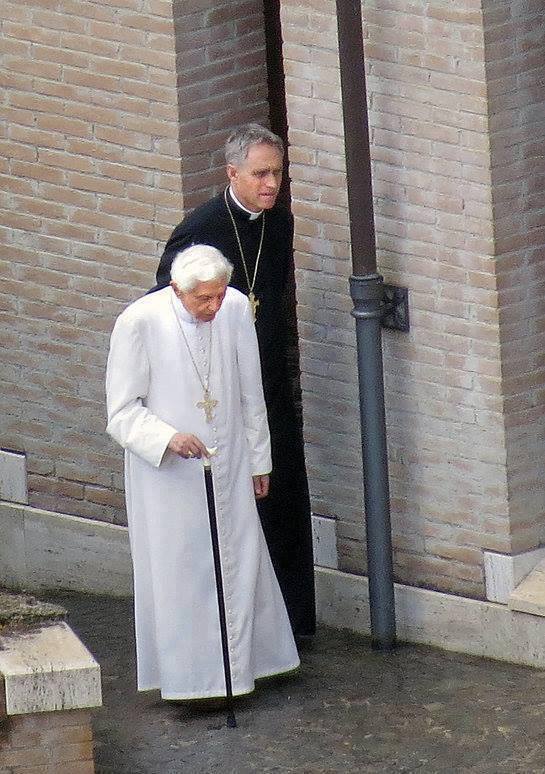
Rádio Vaticano – “Estamos no caminho certo, se tentamos nos tornar pessoas que “descem” para servir e levar a gratuidade de Deus”. Foi o que disse, em síntese, o Papa Emérito Bento XVI na homilia da Missa celebrada na manhã deste domingo, na Capela do Governatorato, no Vaticano, por ocasião do tradicional seminário de verão ‘Schülerkreis Ratzinger’, de seus ex-alunos. O encontro dos estudantes foi realizado, como de costume, em Castel Gandolfo, mas neste ano Bento XVI não participou.
9384_455395434568509_1773787299_n
Esta 38a edição do ‘Schülerkreis Ratzinger’ foi dedicada à “Questão de Deus no contexto da secularização”, à luz da produção filosófica e teológica de Rémi Brague, teórico francês premiado no ano passado com o “Prêmio Ratzinger” para a teologia. Cerca de cinqüenta pessoas participaram da Missa concelebrada pelos Cardeais Kurt Koch, Presidente do Pontifício Conselho para a Promoção da Unidade dos Cristãos e Christoph Schönborn, Arcebispo de Viena, além do Prefeito da Casa Pontifícia o Arcebispo Georg Gaenswein e Barthelemy Adoukonou, Secretário do Pontifício Conselho para a Cultura e o Bispo Auxiliar de Hamburgo, Dom Hans-Jochen Jaschke.
Cada um na vida quer encontrar o seu lugar bom. Mas qual é verdadeiramente o lugar certo? A homilia de Bento XVI é, no fundo, uma resposta a este pergunta e parte do Evangelho de hoje, no qual Jesus convida a ocupar o último lugar. “Um lugar que pode parecer muito bom, pode revelar-se como um lugar muito ruim”, observou o Papa emérito, referindo-se ao que já conteceu neste mundo, também nos últimos decênios, onde vimos como “os primeiros” sofreram uma reviravolta e improvisadamente tornaram-se os últimos e aquele lugar que parecia muito bom, era ao invés disto “errado”. Também nas palavras durante a Última Ceia, os discípulos brigam pelos melhores lugares. Jesus se apresenta, ao contrário, como aquele que serve. Ele, “nascido num estábulo” e “morto numa cruz” “nos diz” – disse Bento XVI – que o lugar certo é aquele próximo a Ele, “o lugar segundo a sua medida”. E o apóstolo, enquanto enviado por Cristo “é o último na opinião do mundo” e justamente por isto está próximo a Jesus:
“Quem, neste mundo e nesta história, talvez, seja empurrado para a frente e chega ao topo, deve saber que está em perigo; deve olhar ainda mais para o Senhor, submeter-se a Ele, medir à responsabilidade pelo outro, deve tornar-se aquele que serve, aquele que na realidade está sentado aos pés do outro, e assim abençoa e por sua vez, torna-se abençoado”.
E assim, qualquer que seja o lugar que a história vai nos colocar, o que é determinante – sublinha o Papa Emérito – é “a responsabilidade diante d’Ele, e a responsabilidade pelo amor, pela justiça e pela verdade”. No Evangelho de hoje o Senhor recorda que quem se exalta será humilhado e quem se humilha será exaltado. E Bento XVI observa que “Cristo, o Filho de Deus, desce para nos servir e isto faz a essência de Deus” que “consiste em inclinar-se em direção a nós: o amor, o sim aos sofredores, a elevação da humilhação”:
“Nós nos encontramos no caminho de Jesus, no caminho certo, se em Seu lugar e como Ele tentamos nos tornar pessoas que “descem” para entrar na verdadeira grandeza, na grandeza de Deus que é a grandeza do amor”.
Bento XVI faz então na homilia uma verdadeira ‘catequese’ sobre o sentido do abaixamento de Cristo e sobre a exigência do amor de Deus. “A Cruz, na história, é o último lugar” e o “Crucifixo não tem nenhum lugar, é um não-lugar”, foi despojado, “é um ninguém”. João no Evagelho – diz Bento XVI – vê “esta humilhação extrema” como “a verdadeira exaltação”:
“Assim, Jesus é mais alto; sim, está na altura de Deus porque a altura da Cruz é a altura do amor de Deus, a altura da renúncia de si mesmo e a dedicação aos outros. Assim, este é um lugar divino e nós queremos rezar a Deus para que nos permita compreender isto sempre mais e em aceitar com humildade, cada um a seu modo, este mistério de exaltação e de humilhação”.
Por fim, o Papa Emérito recorda que Jesus nos exorta a “convidar” independente das vantagens, isto é, para convidar os coxos, os aleijados, os pobres, porque Ele próprio assim o fez convidando “a nós para a mesa de Deus”, mostrando-nos desta forma o que é gratuidade. Justamente, a economia está baseada na “justiça comutativa”, sobre ‘do ut des’, mas mesmo neste ambiente continua a ser algo gratuito, diz Bento XVI, sublinhando que “sem a gratuidade do perdão nenhuma sociedade pode crescer”, tanto é verdade que as maiores coisas na vida, ou seja, “o amor, a amizade, a bondade, o perdão”, “não podemos pagar por elas”, “são ‘grátis’, da mesma forma que, quando Deus nos dá, o faz gratuitamente”:
“Assim, mesmo na luta pela justiça no mundo, nunca devemos esquecer a “gratuidade” de Deus, o constante dar e receber, e nós devemos construir sobre o fato de que o Senhor nos dá, de que existem pessoas boas que nos dão ‘grátis’ a sua bondade, que nos suportam gratuitamente, nos amam e são boas conosco ‘grátis’; e depois nós, da nossa parte, devemos dar esta ‘gratuidade’ para aproximar o mundo de Deus, para tornarmo-nos semelhantes a Ele, para abrirmo-nos a Ele”.
Bento XVI, então, detem-se sobre a Liturgia, sobre a humildade da Liturgia cristã que é “incomensuravelmente grande”, porque nos une às fileiras dos anjos e santos na alegria festiva de Deus. E o sangue de Cristo, que está no centro da Eucaristia, significa justamente “entrar no esplendor do encontro alegre de Deus”: “este Sangue é o seu amor – concluiu Bento XVI – é a Montanha de Deus e nos abre à glória de Deus”.
 

domingo, 1 de setembro de 2013

La Messe attestée comme Sacrifice chez les Pères de l'église


LE SAINT SACRIFICE DE LA MESSE DEUXIEME PARTIE


  • LE SAINT SACRIFICE DE LA MESSE DEUXIEME PARTIE
  • La Messe attestée comme Sacrifice chez les Pères d...
  • L'excellence du sacrifice de la messe
  • L’immense profit et les trésors innombrables que n...
  • BIBLIOGRAFIA SOBRE A SANTA MISSA E BENTO XVI
  • Chi è, allora, che disobbedisce al Concilio ?
  • "Non sembrava un uomo di Chiesa" è davvero un elog...
  • Ma dov'è la primavera del Concilio? Dove sono i su...
  • O Concílio Vaticano II, uma história nunca escrita...
  • Bishop Athanasius Schneider celebrated a Solemn Po...
  • Obispo de Córdoba oficiará Misa tradicional .Pere...
  • Forma extraordinária: ordenação diaconal do Diác. ...
  • Monseñor don Nicola Bux ofició la Santa Misa tradi...
  • Para S. Pío X el modernismo era la síntesis de tod...
  • HOJE É A FESTA DE S. PIO X
  • S. Pio X nutrì il gregge con la vera dottrina
  • Chi è contro la liturgia del Concilio è fuori dall...
  • ST. PIUS X AND THE PRIEST
  • San Gregorio Magno, papa e dottore della Chiesa (m...
  • UNA PUNTUALE BIOGRAFIA DI DON DIVO BARSOTTI

  • La Messe attestée comme Sacrifice chez les Pères de l'église


    La Messe attestée comme Sacrifice chez les Pères de l'église

    Textes réunis par le Père René Lapointe, omi.


    « Une grande victoire est faite d’une foule de petites victoires que l’on remporte sans gloire ». (André Gide)

    LA MESSE EST UN SACRIFICE
    textes choisis


    « Le Christ n’a-t-il pas été offert en sacrifice une fois pour toutes dans sa propre personne ? Et cependant, n’est-il pas quand même offert en sacrifice dans le sacrement ? Et cela, non seulement lors de la fête de Pâques, mais tous les jours, dans nos églises ? De telle sorte qu’un homme auquel on aurait posé la question et qui répondrait que le Christ est offert en sacrifice à la messe ne ferait que dire la stricte vérité. » (Saint Augustin, 354-430, lettre XCVIII) lire...

    Não à guerra! Papa Francisco lançou, no Angelus, um premente apelo à paz na Síria e no mundo e anunciou uma jornada de jejum e oração pela paz no dia 7 de Stembro


    Um forte apelo à paz, retomando as célebres palavras do seu predecessor, Paulo VI, “Nunca mais a guerra!”, marcou o discurso do Papa Francisco neste domingo por ocasião da Oração Mariana do Angelus, em que sublinhou que “a paz é um dom muito preciso que deve ser promovido e tutelado”

    Os numerosos fiéis que, mais do que nunca, enchiam a Praça de São Pedro, reagiam com aplausos de consentimento às vibrantes palavras do Papa que disse estar profundamente preocupado com as diversas situações de conflito que se vivem no mundo, de modo particular na Síria.

    Vivo com particular sofrimento e preocupação as tantas situações de conflito que há nesta terra, mas, nestes dias, o meu coração está profundamente ferido por aquilo que está a acontecer na Síria, e angustiado pelas dramáticas evoluções que se prospectam”.

    O Papa dirigiu por isso, do fundo do coração, um forte apelo à paz …

    “Dirijo um forte apelo à paz, um apelo que nasce do íntimo de mim mesmo! Quanto sofrimento, quanta devastação, quanta dor trouxe e trará o uso das armas naquele martirizado país, especialmente entre a população civil, inerme! Pensemos em quantas crianças não poderão ver a luz no futuro!

    E o Pontífice condenou firmemente o uso das armas químicas, recordando que há um julgamento de Deus e também da História a que não se pode escapar:

    Com particular firmeza, condeno o uso das armas químicas: digo-vos que tenho ainda fixas na mente e no coração as terríveis imagens dos dias passados! Há um julgamento de Deus e um julgamento da História sobre as nossas acções a que não se pode fugir! Não é nunca o uso da violência que leva à paz. Guerra chama guerra, violência chama violência!”
    Às partes em conflito o Papa pediu para não se fecharem nos seus interesses, e a empreenderem com coragem e decisão a via do dialogo…

    Com toda a minha força, peço às partes em conflito para ouvirem a voz da própria consciência, a não se fecharem nos seus interesses, mas a olharem para o outro como irmão e a empreender, com coragem e decisão, a via do encontro, da negociação, ultrapassando a cega contraposição”.

    Não faltou uma palavra em relação à comunidade Internacional:

    Com igual energia exorto também a Comunidade Internacional a envidar todos os esforços possíveis a fim de promover, sem demoras, iniciativas claras para a paz naquela Nação, baseadas no dialogo e na negociação, para o bem de toda a população síria” .

    O Papa pediu ainda que não se poupem esforços no sentido de garantir assistência humanitária às pessoas afectadas por este terrível conflito, especialmente os deslocados internos e os numerosos refugiados nos países vizinhos.

    Por fim o Santo Padre anunciou algumas iniciativas que a Igreja vai empreender a favor da paz na Síria e no mundo. Tudo para que o grito de paz se eleve bem alto em todos os corações:

    Por isso, irmãos e irmãs, decidi proclamar para toda a Igreja, no dia 7 de Setembro próximo, véspera da Natividade de Nossa Senhora, Rainha da Paz, uma jornada de jejum e de oração para a paz na Síria, no Médio Oriente, e no mundo inteiro”.

    O Papa convidou a aderir a esta iniciativa os “irmãos cristãos não católicos, aos membros doutras Religiões e pessoas de boa vontade". E acrescentou:

    No dia 7 de Setembro na Praça de São Pedro, aqui das 19 às 24 horas, nos reuniremos em oração e em espírito de penitência para invocar de Deus este grande dom para a amada Nação síria e para todas as situações de conflito e de violência no mundo. A humanidade precisa de ver gestos de paz e de ouvir palavras de esperança de paz!”.

    E ao deixar a cada Igreja local a possibilidade de organizar como melhor entenderem esta iniciativa de paz, o Papa rezou, juntamente com os fieis, a Nossa Senhora, Rainha da Paz, para que nos ajude a responder à violência, aos conflitos e às guerras, com a força do diálogo, da reconciliação, do amor.

    Ela é mãe: que nos ajude a encontrar a paz”.